

Buffering videos and dropped smart camera feeds. I get it. Your home network feels like it’s stuck in the Stone Age.
But here’s the thing. It doesn’t have to be that way. Imagine a network that actually anticipates your needs.
Sounds like a fantasy, right? It’s not. We’re moving beyond just “Wi-Fi” to a truly intelligent system.
This shift is more than just tech jargon. It promises real-world benefits, and I’m going to show you how.
Why trust this? We’ve done a deep dive into the smart home space, unpacking the software that powers next-gen connectivity. You’re fed up with fighting your internet.
Let’s change that. Get ready for a smooth, automated, secure digital life. I’ll lay out a clear roadmap.
You’ll finally get that intelligent network you’ve been dreaming of.
More Than Speed: What Makes a Network ‘Intelligent’?
When I think of a smart home space, it’s not just about fast internet. An intelligent home network is like a living, breathing entity. It actively manages itself, optimizing and securing your digital life like an unseen butler.
Imagine it as the ultimate traffic cop for your data.
First up, Self-Optimization. Picture a smart traffic control system. It reroutes your data to avoid congestion and switches Wi-Fi channels to dodge interference.
It’s like having a super-fast brain that keeps everything flowing smoothly without any input from you. Who wouldn’t want that?
Then there’s Adaptive Quality of Service (QoS). Ever notice how your video call stays smooth while a background download takes a backseat? That’s QoS at work, prioritizing what matters most at the moment.
It’s like having a personal assistant who knows when to push the important stuff to the top of your to-do list.
Next is Proactive Security. This is your digital watchdog, sniffing out threats before they become a problem. It blocks malicious sites and quarantines infected devices, keeping your whole network safe.
Think of it as having a security team that never sleeps.
Finally, Smooth Space Integration is key. Your network is the backbone for IoT devices, ensuring they all play nicely together. Without this, your smart gadgets are just expensive paperweights.
Want to dive deeper into this concept? Check out Creating Interconnected App Environments.
In a world where everything’s connected, an intelligent network isn’t just nice to have. It’s important.
From Frustration to Flow: Real-World Benefits in Your Daily Life
Everyone’s been there. You’re on an important video call, and bam. It freezes because the kids are streaming 4K movies.
Annoying, right? Here’s where an intelligent network swoops in. It prioritizes your work laptop, keeping your call smooth while the movie plays on.
No more yelling at the kids to pause their fun.
And then there’s the smart home lag. You tap your phone to turn on the lights, and you wait. And wait.
It’s like watching paint dry. But with a reliable network, your smart home space feels like magic. The lights respond instantly, and your security cameras stream without a hitch.
Let’s talk security. You’re always guessing if that new gadget is safe or if someone clicked on a sketchy site. Imagine getting real-time alerts about threats.
The network blocks suspicious activity automatically. It’s like having a digital bodyguard standing by.
Oh, Wi-Fi dead zones. We’ve all cursed them. The living room has a perfect connection, but your bedroom might as well be on a different planet.
Intelligent mesh nodes fix that by working together. They reroute data through stronger nodes, making sure you don’t lose connection anywhere in the house.
Choosing the right setup is key for these benefits. That’s why your most important smart home decision matters. Pro tip: Invest in a system that adapts as your needs change.
You’ll thank yourself later when everything just works.
The Blueprint: Core Components for Your Intelligent Network
Building a smart home space isn’t just about tossing in a few gadgets and hoping they talk to each other. It’s about creating harmony. And it starts with breaking down the build-out process into core components.
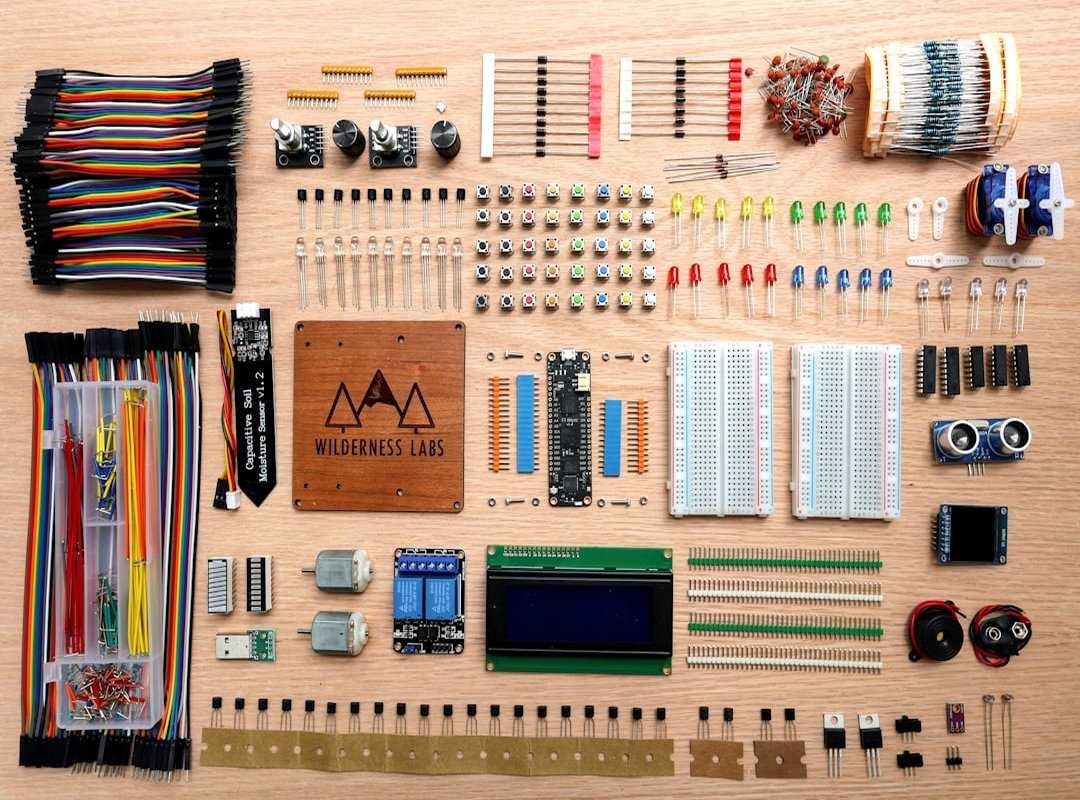
I’m going to walk you through this practical guide because, let’s face it, who has time for guesswork?
First, let’s talk about The Brain: the AI-powered router or mesh system. This is where you should spend your money. Why?
Because it’s the heart of your network. Look for Wi-Fi 6/6E support and a processor that can handle the load. Most importantly, the AI-driven optimization features are what make your network smart, not just fast.
Now, onto The Nervous System: the high-quality devices and sensors. Your network’s intelligence is only as good as what’s connected to it. If you’re using outdated gadgets, you’re missing out.
Modern smart home devices that support the Matter standard are a game-changer. They communicate efficiently and can tell the network what they need.
Finally, there’s The Control Panel: the software and app space. This is where the magic happens. Gone are the days when the app was just for setup.
Now, it’s where you manage everything. Think deep takeaways, security alerts, solid parental controls, and automation routines. It’s your command center.
Ever wondered about the role of IoT in modern apps? It’s all interconnected. The more you integrate, the smarter your home becomes.
So there you have it. Your intelligent network isn’t just a bunch of tech thrown together. It’s a carefully curated system that works seamlessly.
Get the right components, and you’ll create a true smart home space. Not just a collection of gadgets. Now, go make your home work for you.
The Future of Home Connectivity: Beyond Speed
Let’s talk about the next big thing in your home. It’s not just about faster internet. It’s a transformation.
Sure, Wi-Fi 7 promises speed, but the real stars are lower latency and higher reliability. Who cares about speed when your VR headset lags, right?
Enter Matter. It’s not sci-fi; it’s a universal standard for your smart home space. Imagine your devices chatting without a hitch.
Your lights, thermostat, and coffee maker working seamlessly. This isn’t just convenience; it’s a revolution in how our gadgets integrate.
On-device AI and edge computing are shaking things up too. Routers are getting smarter, processing data on the spot. Cloud services are so last year.
This means your smart devices respond in real-time and keep your private data closer to home (literally). Privacy wins. Speed wins.
But what about when things break? Predictive maintenance is your answer. Future networks won’t just say, “something’s wrong.” They’ll tell you which device is on the brink.
Imagine a world where your fridge warns you of its demise before your milk spoils. Or your router alerts you to degrading internet service before your movie night is ruined.
Are you ready for this? Because like it or not, home connectivity is becoming self-managing. It’s not just about more.
It’s about better. Faster. Smarter.
Are you in?
Network Smarter, Live Better
Sick of battling a chaotic, unreliable home network? I get it. It’s like trying to watch a movie with constant buffering.
A smart home space can change everything. Automation and security bring peace to your digital life. Imagine no more dead zones or constant resets.
It’s not magic. It’s called using the right tools. Start today.
Audit your network’s weaknesses. Our ‘Blueprint’ section is your guide. You’re not alone in this.
We’re here to help you build a network that works for you. Stop struggling. Get smarter.
Better connectivity is just a decision away. Ready to upgrade?

 Ask Keishaner Laskowski how they got into smart app ecosystems and you'll probably get a longer answer than you expected. The short version: Keishaner started doing it, got genuinely hooked, and at some point realized they had accumulated enough hard-won knowledge that it would be a waste not to share it. So they started writing.
What makes Keishaner worth reading is that they skips the obvious stuff. Nobody needs another surface-level take on Smart App Ecosystems, Expert Breakdowns, App Optimization Techniques. What readers actually want is the nuance — the part that only becomes clear after you've made a few mistakes and figured out why. That's the territory Keishaner operates in. The writing is direct, occasionally blunt, and always built around what's actually true rather than what sounds good in an article. They has little patience for filler, which means they's pieces tend to be denser with real information than the average post on the same subject.
Keishaner doesn't write to impress anyone. They writes because they has things to say that they genuinely thinks people should hear. That motivation — basic as it sounds — produces something noticeably different from content written for clicks or word count. Readers pick up on it. The comments on Keishaner's work tend to reflect that.