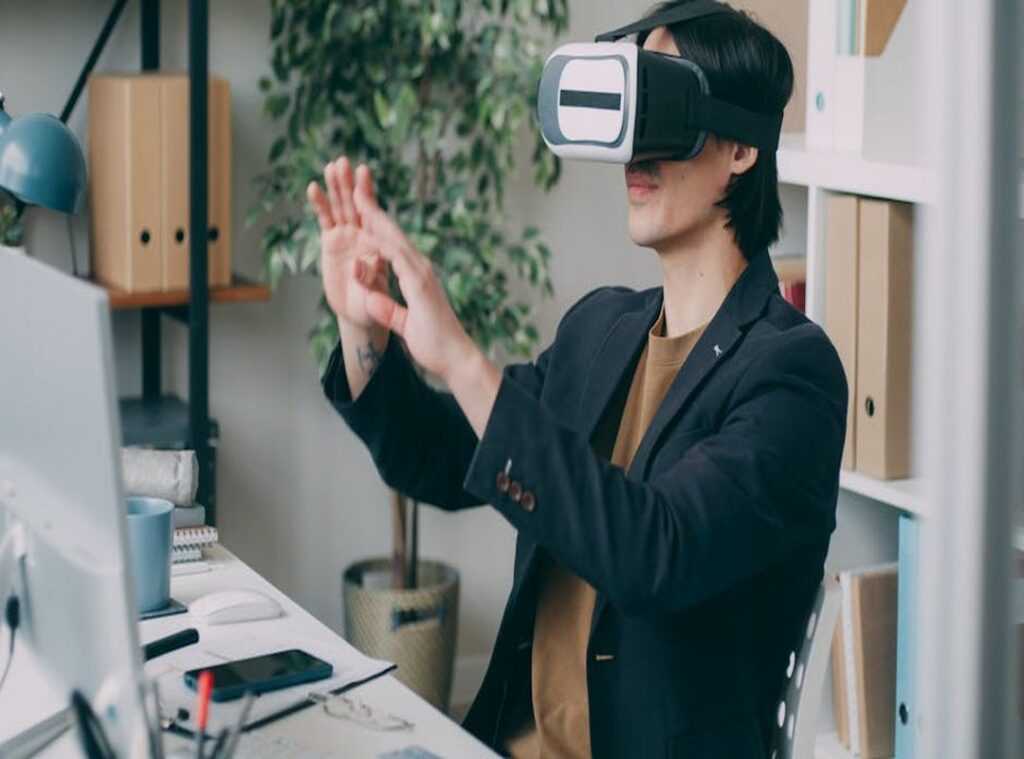
The future of work predictions might feel like a moving target, but it’s a conversation we can’t ignore. I mean, aren’t we all wondering what tomorrow’s office will look like? It’s not just about remote work or digital nomads anymore.
It’s about reshaping everything we know about how we work. But what’s real and what’s just hopeful thinking?
We’ve got takeaways from some of the sharpest thinkers in tech, plus a few surprises you might not expect. It’s not just theories floating around. These are grounded predictions that could actually shape your work life.
Why trust this? Because we’re diving into solid data and expert perspectives. You won’t find wild guesses here.
If you’re trying to prepare for what’s next (or) just curious (you’re) in the right place. We’ll break down the trends, the tools, and the strategies you need to stay ahead. This piece promises clarity in a rapidly changing world.
Get ready to see the future more clearly.
Remote or Distributed? Welcome to the Digital HQ
You know what? The debate about remote work isn’t even about “if” anymore. It’s all about “how” we make it work smoothly at scale.
And guess what? This is where the Digital HQ steps in. Not a single app, but a well-oiled space.
Imagine your project update zipping through one app, automatically creating a task in another, while your calendar magically schedules a follow-up. Pretty neat, right?
The goal here (and I’m serious about this) is to recreate a cohesive digital environment that mirrors the buzz of a physical office. Minus the commute. Plus greater efficiency and flexibility.
Think of it as the future of work predictions made real. We aren’t talking clunky integrations. We’re dreaming of a system where communication, project management, and HR tools talk to each other without a hitch.
It’s like they finish each other’s sentences.
You ever notice how some apps just click? Slack drops a note. Asana picks it up and runs.
Google Calendar makes sure you all meet up. They work together like a well-rehearsed band. That’s the magic of a smart app space.
It’s about getting your tech stack to play nice and play smart.
And if you’re curious about the impact of innovation on this evolution, this guide dives deeper. So, are we just transitioning from remote work? No, we’re building something strong and new.
A Digital HQ that captures the essence of office culture. But with the perks of flexibility.
AI as Teammate, Not Threat: Rethinking Work Roles
There’s this fear floating around about AI taking jobs. I get it, really. But what if we flipped the narrative?
Think of AI as a collaborative partner, not a replacement. Imagine having an AI assistant that flags market shifts before anyone else sees them. Or one that can summarize your long, headache-inducing meetings.
That’s the future of work right there.
AI isn’t here to boot us out of the office. It’s here to make work smarter, not harder (a cliché, but true). You ever sit in a meeting where everyone just restates the same facts?
AI can cut through that nonsense. It frees us from boring, repetitive tasks so we can focus on being strategic, creative, and, dare I say, human.
Take marketing, for example. AI can analyze campaign data, draft reports, and even suggest optimizations. All you do is review, tweak, and bam (you’re) ahead of the competition.
The key is integration. It’s about how well a company bakes AI into its processes, not just having the tech. The competitive edge?
It’s not in owning AI but in using it smartly (like) keeping a sharp knife; not just having one.
And trends back this up. According to some future of work predictions, those who embrace AI collaboration will lead the pack. This isn’t sci-fi; it’s happening now.
AI won’t take over. It’ll just make work life less of a grind. So, what are you thinking?
Time to partner up with AI and get a head start? The game’s changing, and I think it’s for the better.
Trend 3: Hyper-Personalization in Employee Experience
Ever wondered why the old one-size-fits-all approach to the Employee Experience (EX) is tanking? Well, it’s because we’re not all the same. Shocker, right?
In the modern workplace, treating everyone like they need the same training or resources is like giving everyone the same shoe size. Spoiler: it doesn’t fit.
Here’s the deal: thanks to tech, the future of work predictions are looking pretty exciting. Companies are using data from integrated app ecosystems to tailor everything. From onboarding to wellness resources, even career pathing.
Imagine starting a new job and your training is actually useful. Not just a generic slideshow.
Picture this: Before, every new hire sat through the same boring training session. Now, tech steps in. Your learning path?
It’s customized. Your role, skill gaps, and career goals all play a part. It’s like Netflix recommending shows but for your career.
Suddenly, training isn’t a snooze fest. It’s a game-changer.
And the benefits? Huge. We see increased engagement, higher retention rates, and a more skilled workforce.
Why? Because employees feel valued. They see growth tailored to them.
Companies are reaping the rewards. It’s a win-win.
Curious about how this ties into tech? Our Understanding Cloud Technology Expert Guide dives deeper. It’s all about leveraging these smart app ecosystems to transform EX.
So, is hyper-personalization just a trend? No way. It’s the future we’re diving into.
And it’s about time we all got shoes that fit.
Trend 4: Building with LEGOs
The future of work predictions are pointing towards a massive shift. We’re moving away from rigid job titles. You know, those old-school hierarchies where everyone’s stuck in a box.
Now, it’s all about changing, project-based teams. (Think of it like building with LEGOs instead of concrete blocks.) Skills are the new currency, and organizations want them fast.
Technology’s playing a huge role here. The tools we have now. Modern HR and project management systems.
Are amazing. They help find and place the right skills for a task, no matter which corner of the company someone’s in. It’s like a matchmaking service but for your workplace tasks.
You don’t have to wait for someone in your department to be free anymore. Just grab someone who knows their stuff from another team.
You can’t do that when everyone’s bogged down by titles and departments. This approach makes them resilient. It’s like having a superhero team on standby, ready to save the day.
Why is this important? Businesses have to stay flexible. The market changes (sometimes overnight) and companies need to pivot quickly.
Take Company X (anonymously here for the drama). They spotted a new market trend and needed a team pronto. With a tech platform, they assembled a cross-functional team in record time.
They didn’t waste weeks getting approvals. And that’s the magic. Speed and adaptability.
We need to embrace this. The old way is going extinct, and fast. Because who has time for slow when everything’s changing quicker than a Netflix release schedule?
Build a Future-Ready Workplace Now
The workplace isn’t slowing down. Chasing every new trend leads nowhere. Instead, focus on building a tech space that’s flexible and human-centric.
This approach lets you adapt to any trend. Those of today and tomorrow. Ask yourself, is your current tech stack prepared for the future of work predictions?
Chances are, there are gaps and silos. So, what should you do? Start with a tech audit.
Identify those silos. Find opportunities for better integration. It’s time to act.
Don’t wait until you’re behind. Embrace this plan and transform your workplace. Ready to take the first step?
Start that audit today.

 Ask Keishaner Laskowski how they got into smart app ecosystems and you'll probably get a longer answer than you expected. The short version: Keishaner started doing it, got genuinely hooked, and at some point realized they had accumulated enough hard-won knowledge that it would be a waste not to share it. So they started writing.
What makes Keishaner worth reading is that they skips the obvious stuff. Nobody needs another surface-level take on Smart App Ecosystems, Expert Breakdowns, App Optimization Techniques. What readers actually want is the nuance — the part that only becomes clear after you've made a few mistakes and figured out why. That's the territory Keishaner operates in. The writing is direct, occasionally blunt, and always built around what's actually true rather than what sounds good in an article. They has little patience for filler, which means they's pieces tend to be denser with real information than the average post on the same subject.
Keishaner doesn't write to impress anyone. They writes because they has things to say that they genuinely thinks people should hear. That motivation — basic as it sounds — produces something noticeably different from content written for clicks or word count. Readers pick up on it. The comments on Keishaner's work tend to reflect that.