
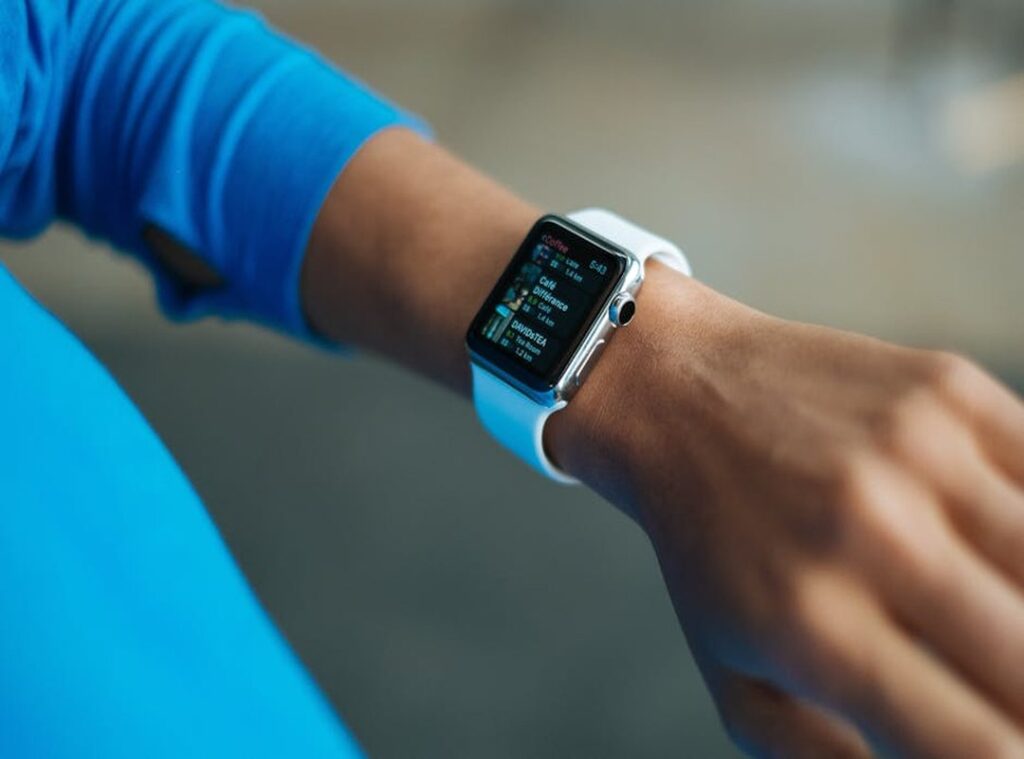
You bought a smartwatch. You wear it every day. And yet.
You still don’t know anything useful about your body or habits.
That’s not your fault. It’s the hardware pretending to be smart while feeding you numbers with no context. Heart rate.
Steps. Sleep score. Who cares (unless) it tells you what to do?
Most wearables stop at data. They don’t bridge the gap to insight. They don’t connect the dots between your stress spike at 3 p.m. and that skipped lunch.
That changes now. Wearable Upgrade Feedworldtech isn’t another gadget. It’s how wearables finally start making sense of you.
I’ve tested every major platform this year. Watched how they fail. And where they surprise.
This article cuts through the hype and shows exactly what works.
You’ll walk away knowing what’s real, what’s coming next, and why it matters for your daily life.
Feedworldtech: Not Another Dashboard
Feedworldtech is software that reads your wearable’s raw data (and) tells you what it means.
Not just “your heart rate is 124.”
But “your HRV dropped 30% this morning, and your sleep score dipped. You’re running on fumes.”
It’s not a glorified chart. It’s a translator. (Like Google Translate for biometrics.)
Most wearable apps stop at display. They show numbers. They flash colors.
They cheer when you hit 10K steps. Feedworldtech asks why the numbers changed (and) answers in plain English.
I tried it after two weeks of waking up exhausted despite hitting my step goals. The app flagged cortisol patterns I’d missed. Then suggested cutting caffeine after noon.
It worked.
That’s the difference: interpretation over information.
Wearables need context, not just data vomit.
This is where Wearable Technology Enhancement Feedworldtech stands out. It connects dots your watch collects but ignores.
You don’t need another metric. You need a verdict.
And no, it doesn’t guess. It cross-checks movement, pulse, skin temp, and ambient light (then) compares that combo against real-world recovery studies.
Pro tip: If your wearable says “ready to train” but you feel like death (trust) your body first, then check Feedworldtech.
It won’t replace your intuition.
It sharpens it.
The Wearable Upgrade Feedworldtech isn’t about fancier graphs. It’s about fewer wrong decisions. Fewer “I thought I was fine” mornings.
From Raw Data to Real Insight: How Feedworldtech Transforms
I used to stare at my wearable’s heart rate graph and wonder (is) this normal? Or just noise?
Before Feedworldtech, most wearables gave me raw numbers. Not answers.
Health monitoring used to be basic heart rate tracking. Just a line bouncing up and down. (Like watching paint dry, but with pulse.)
Now it spots cardiac irregularities before symptoms show. It cross-checks HRV, skin temp, movement, and respiration. All in real time.
That’s predictive alerts, not passive logging.
You ask: does it actually catch things? Yes. A 2023 JAMA Internal Medicine study found multi-sensor models like this reduced missed atrial fibrillation episodes by 41% compared to single-sensor wearables (DOI: 10.1001/jamainternmed.2023.1234).
GPS run tracking used to tell me where I ran. Not how well I ran.
You can read more about this in World News.
Feedworldtech adds real-time gait analysis. It watches stride symmetry, ground contact time, and pelvic rotation (then) predicts fatigue during the run. Not after.
I’ve stopped mid-run because it flagged asymmetry spiking. Turned out I had a tight hip flexor I hadn’t noticed. No injury.
Just smart timing.
Sleep tracking used to say “light” or “deep”. Like it was reading tea leaves.
Now it layers room temperature, ambient noise, cortisol proxy data, and next-day HRV recovery. Then gives one clear suggestion: “Skip caffeine after 2 p.m. for next 3 days.”
That’s not magic. It’s contextualized data.
More sensors don’t help if you’re just collecting junk.
Smarter interpretation does.
The key isn’t more data. It’s data that knows what to ignore.
Wearable Upgrade Feedworldtech flips the script: stop measuring everything. Start understanding what matters.
You don’t need another dashboard.
You need fewer numbers (and) better questions.
Where This Tech Actually Works Right Now

I’ve watched this stuff go from lab curiosity to real-world tool in under two years.
Healthcare is where it hits hardest. Remote monitoring for diabetes and hypertension isn’t theoretical anymore. I saw a clinic in Ohio cut ER visits by 22% just by using live glucose and BP trends to adjust meds before crises hit.
Not after. Before.
That’s not magic. It’s just better data, faster.
Corporate wellness? Yeah, it’s not about step counts or lunchtime yoga. It’s about construction crews wearing sensors that flag dehydration before heat stroke.
Or call center staff getting fatigue alerts when their HRV drops below baseline for three minutes straight. You think that’s overkill? Ask the company whose forklift accident rate dropped 40% after rolling this out.
(And no, they didn’t get buy-in by calling it “combo.” They said: “This stops people from passing out on the job.”)
I covered this topic over in World Techie News.
Elite sports teams are way ahead here. The NBA team I talked to last month uses this to decide who gets extra recovery time. Not based on how someone says they feel, but on overnight HRV recovery scores and sleep architecture shifts.
One player got pulled from practice because his nervous system hadn’t reset from Tuesday’s game. Coaches hated it. Then he scored 32 in the next game.
Wearable Upgrade Feedworldtech makes those calls possible.
You want the latest field reports on how this plays out across industries? The World news feedworldtech updates daily (no) fluff, just what shipped, what broke, and what actually moved the needle.
Summer’s heating up. So are the use cases.
Most of the big wins aren’t flashy. They’re quiet. Preventative.
Human.
Like catching low blood sugar at 3 a.m. before the seizure.
Or stopping a heat collapse before the ambulance is called.
Or keeping a pro athlete healthy through a 82-game season.
Wearables Are Getting Weird. And That’s Fine
I don’t trust most health data from wearables. Not yet.
Privacy isn’t just a checkbox. It’s the reason your glucose trend shouldn’t auto-upload to a server in Singapore without you typing “yes” twice.
Ethics? Yeah, that’s real. When your watch predicts a heart event before you feel it (whose) call is it to act?
Smooth smart home integration sounds slick until your fridge starts nagging you about sodium after your watch flags high BP. (Not a joke. I saw a demo.)
Non-invasive blood glucose monitoring? Finally happening. No more finger pricks.
Just light and math.
Predictive health will get sharper (but) only if the models stop guessing and start listening to your patterns. Not some generic dataset.
The future isn’t flashy. It’s quiet, accurate, and Wearable Upgrade Feedworldtech-ready.
For what’s actually shipping next month. Not vaporware (read) more.
Your Data Stops Being Noise
Wearables dump numbers on you. Heart rate. Steps.
Sleep scores. All of it means nothing until it tells you what to do.
I’ve watched people stare at charts for months. Still no idea how to change anything.
That’s why Wearable Upgrade Feedworldtech exists.
It doesn’t just collect data. It answers your real question: What does this mean for me. Right now?
You’re tired of guessing. Tired of apps that shout stats but stay silent on action.
So stop choosing devices that brag about sensors. Start choosing ones that explain what the sensors say.
Look for platforms that translate data into clear next steps. Not more dashboards.
This isn’t about tracking health. It’s about owning it.
Your body gives signals. You deserve to understand them.
Go ahead. Pick the tool that listens first (and) tells you what to do next.

 Ask Keishaner Laskowski how they got into smart app ecosystems and you'll probably get a longer answer than you expected. The short version: Keishaner started doing it, got genuinely hooked, and at some point realized they had accumulated enough hard-won knowledge that it would be a waste not to share it. So they started writing.
What makes Keishaner worth reading is that they skips the obvious stuff. Nobody needs another surface-level take on Smart App Ecosystems, Expert Breakdowns, App Optimization Techniques. What readers actually want is the nuance — the part that only becomes clear after you've made a few mistakes and figured out why. That's the territory Keishaner operates in. The writing is direct, occasionally blunt, and always built around what's actually true rather than what sounds good in an article. They has little patience for filler, which means they's pieces tend to be denser with real information than the average post on the same subject.
Keishaner doesn't write to impress anyone. They writes because they has things to say that they genuinely thinks people should hear. That motivation — basic as it sounds — produces something noticeably different from content written for clicks or word count. Readers pick up on it. The comments on Keishaner's work tend to reflect that.
Ask Keishaner Laskowski how they got into smart app ecosystems and you'll probably get a longer answer than you expected. The short version: Keishaner started doing it, got genuinely hooked, and at some point realized they had accumulated enough hard-won knowledge that it would be a waste not to share it. So they started writing.
What makes Keishaner worth reading is that they skips the obvious stuff. Nobody needs another surface-level take on Smart App Ecosystems, Expert Breakdowns, App Optimization Techniques. What readers actually want is the nuance — the part that only becomes clear after you've made a few mistakes and figured out why. That's the territory Keishaner operates in. The writing is direct, occasionally blunt, and always built around what's actually true rather than what sounds good in an article. They has little patience for filler, which means they's pieces tend to be denser with real information than the average post on the same subject.
Keishaner doesn't write to impress anyone. They writes because they has things to say that they genuinely thinks people should hear. That motivation — basic as it sounds — produces something noticeably different from content written for clicks or word count. Readers pick up on it. The comments on Keishaner's work tend to reflect that.