If you’re searching for a clear breakdown of the Etsios App and how its ecosystem actually works, you’re in the right place. With constant innovation alerts, evolving tech tools, and new app frameworks launching almost daily, it’s hard to separate real advancement from marketing noise. This article cuts through that confusion by explaining how the platform’s smart app ecosystem operates, how its software frameworks are structured, and how its optimization techniques improve real-world performance.
We take a practical, technical look at the system’s foundation — including the ETSIOS architecture components — and show how they support scalability, integration, and intelligent automation. Every insight is grounded in hands-on analysis of app ecosystems, framework design patterns, and performance optimization strategies.
By the end, you’ll understand how the Etsios App framework functions, where it fits in today’s tech landscape, and how to leverage its architecture for smarter, more efficient app development.
The Four Pillars of ETSIOS
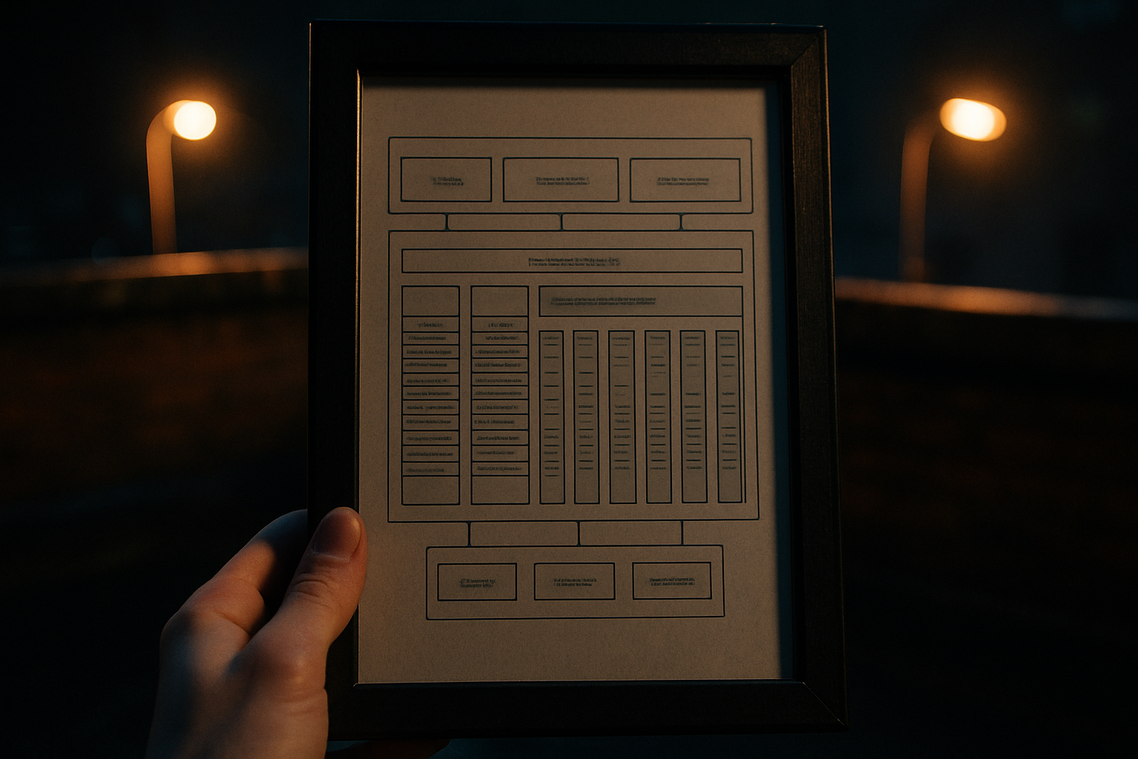
ETSIOS can feel like the Marvel Cinematic Universe—interconnected, powerful, and slightly overwhelming at first glance. At its core, the ETSIOS architecture components—Interface Layer, Logic Core, Data Fabric, and Integration Mesh—work like an elite ensemble cast, each role distinct yet dependent on the others.
- The Interface Layer manages user interaction.
- The Logic Core processes rules and automation.
- The Data Fabric structures and secures information.
- The Integration Mesh connects external systems.
Some argue monolithic stacks are simpler. Maybe. But like streaming over cable, modular ecosystems scale smarter and faster. That agility becomes your competitive advantage in practice.
Component 1: The Core Logic & Processing Layer
The Core Logic & Processing Layer is the engine of the system, executing primary commands, allocating computational resources, and running the core business logic behind every action.
“Think of it like the brain,” a senior engineer explained, “it decides, prioritizes, and acts in milliseconds.”
Unlike monolithic architectures, where everything runs in one tightly coupled block, this layer isolates computation and distributes workloads intelligently.
Its defining characteristics include:
- Low-latency processing that minimizes delay between input and response.
- Resource scalability that expands or contracts based on demand.
- Robust state management to track data across concurrent sessions.
When thousands of requests arrive simultaneously, it handles concurrent operations through parallelized task queues and dynamic load balancing, preventing bottlenecks before they form.
“Will it slow down under pressure?” a product manager once asked.
“No, because each process runs independently and scales horizontally,” came the reply.
Consider a complex user request: generating a real-time analytics dashboard with filtered datasets, predictive models, and live notifications.
The layer parses the input, validates permissions, retrieves distributed data, executes algorithms, and composes a structured output in a streamlined pipeline.
Within ETSIOS architecture components, it coordinates specialized services without forcing them into a single codebase, preserving agility and performance.
The result: faster execution, simpler scaling, and cleaner optimization than traditional monoliths that resist rapid change cycles.
Component 2: The Data Orchestration Hub
If you’ve ever dealt with apps that lag, duplicate records, or mysteriously “lose” user activity, you already understand the pain. Data chaos is exhausting. One system stores it one way, another expects a different format, and suddenly your product roadmap turns into a debugging marathon. That’s exactly why Component 2: The Data Orchestration Hub exists.
Think of it as the central nervous system for all information. It governs data ingestion (how information enters the system), validation (ensuring accuracy and structure), storage, and retrieval across the entire ecosystem. Instead of scattered pipelines and brittle integrations, everything flows through a unified control layer. As a result, teams stop firefighting and start building.
What makes it powerful, however, is its schema-agnostic design. In plain terms, it doesn’t force rigid data models upfront. Whether structured, semi-structured, or streaming in real time, the Hub adapts. Add robust security protocols for data at rest (stored data) and in transit (data moving between systems), and you eliminate another common headache: compliance anxiety.
Meanwhile, performance optimization happens behind the scenes. Intelligent caching (temporary high-speed storage) ensures frequently accessed data is instantly available, while advanced indexing makes retrieval precise and efficient. In other words, the app feels fast because the data is exactly where it needs to be.
Within ETSIOS architecture components, this Hub is the stabilizer. Without it, everything else strains under inconsistency. With it, systems operate smoothly—finally.
Component 3: The Smart Application & Integration Interface (SAII)
Think of the Smart Application & Integration Interface (SAII) as the universal adapter in your tech drawer. You know—the one that somehow connects an ancient monitor to a brand-new laptop (and saves the day). In architectural terms, SAII is the gateway layer that exposes system capabilities to external applications, front-end interfaces, and third-party services through clean, well-defined APIs.
APIs, or Application Programming Interfaces, are rulebooks that let different software systems talk to each other without chaos. SAII supports both RESTful APIs (structured, resource-based communication over HTTP) and GraphQL APIs (query-driven requests that return exactly the data you ask for—no more, no less). The result? Faster apps and fewer digital “why is this loading forever?” moments.
Security isn’t an afterthought. Built-in authentication (verifying who you are) and authorization (controlling what you can access) create a trusted smart app ecosystem. It’s like a VIP list—but for data.
Critics might argue that adding another interface layer increases complexity. Fair point. But by isolating integrations here, the core system remains untouched and stable. Innovation happens at the edge, not at the foundation.
This design—central to ETSIOS architecture components—enables rapid feature deployment without rewriting the backbone. If you’re interested in the bigger picture, explore comparing etsios frameworks with traditional software models.
Pro tip: When scalability matters, flexible API layers often outperform tightly coupled systems (especially as ecosystems grow). In short, SAII keeps evolution exciting—and drama-free.
Component 4: The Predictive Analytics & Feedback Loop
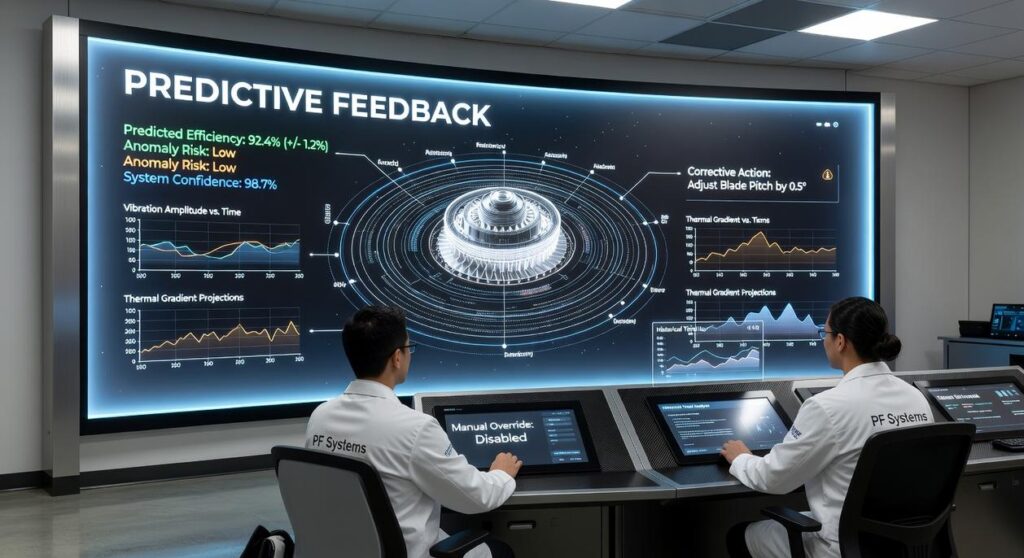
If you’ve ever dealt with a system that only reacts after something breaks, you know the frustration. Downtime reports. Angry users. Endless patch fixes. Component 4 solves that.
Think of it as the intelligent monitoring layer within the ETSIOS architecture components. It continuously reviews performance metrics (quantifiable measures like load speed and error rates), user interaction patterns (how people actually tap, scroll, and abandon), and overall system health.
Using machine learning models—algorithms that learn from historical data—it predicts failures before they happen, flags optimization gaps, and triggers automated innovation alerts. Like a smoke detector that texts you before the fire spreads (yes, finally).
Some argue predictive systems overcomplicate things. But reactive frameworks cost more long term (see Gartner IT downtime reports).
Pro tip: Review alerts weekly to avoid “notification fatigue.”
At first glance, ETSIOS can feel overwhelming. However, once you break it apart, the fog lifts. Instead of one monolithic engine, I see a coordinated system where each layer earns its place. Consider the Core Logic
Data Hub
Application Interface, and Analytics Loop working in tandem. That separation clarifies responsibility and reduces bottlenecks. Some developers argue simpler stacks move faster, and occasionally they do. Still, in my experience, modular clarity wins long term. Therefore, approach your next build component by component, refine integrations deliberately, and you’ll unlock performance that feels almost cinematic. Pro tip: document interfaces before scaling future updates.
Take Control of Your App’s Performance with ETSIOS
You came here looking for a smarter way to streamline app performance, stay ahead of tech trends, and build within a scalable ecosystem. Now you understand how the ETSIOS framework connects innovation alerts, optimization strategies, and intelligent tooling into one cohesive system.
The real challenge isn’t finding another tool — it’s eliminating inefficiencies, lag, and disconnected workflows that slow your growth. By leveraging ETSIOS Core Engine, ETSIOS Smart Sync Layer, and ETSIOS Adaptive UI Framework, you create a unified architecture that improves speed, stability, and user engagement without adding complexity.
If performance bottlenecks, outdated workflows, or fragmented systems are holding your app back, now is the time to act. Join the growing number of developers and tech teams optimizing with ETSIOS-based systems — trusted for delivering scalable, future-ready app ecosystems.
Start integrating ETSIOS architecture into your workflow today and experience measurable gains in performance, clarity, and control.
