
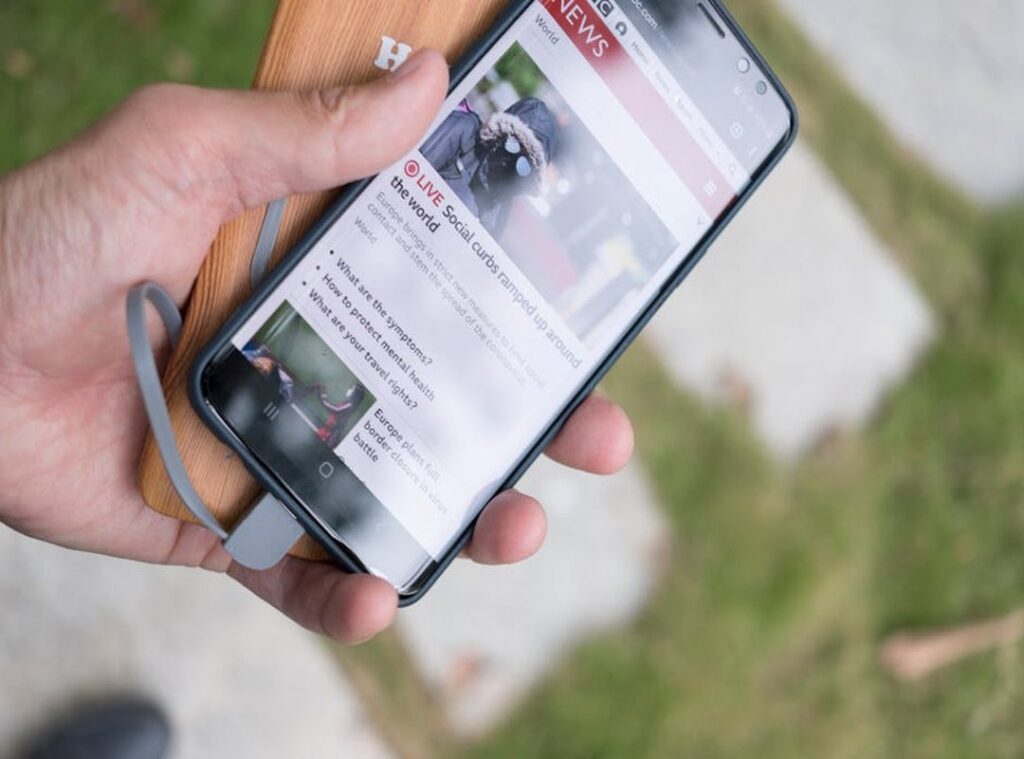
You open your laptop and instantly feel it.
That low-grade panic when you see 47 unread tech newsletters, three Slack channels pinging about AI updates, and a browser tab full of headlines you’ll never finish.
I’ve been there. Every day.
And I’m tired of pretending it’s sustainable.
Most tech news sources don’t help. They add noise. They chase clicks, not clarity.
You need to stay sharp. Your job depends on it. Your next move does too.
So what actually works?
I test new feeds weekly. I cut through the hype. I ignore the fluff.
What’s left? A handful of sources that deliver real insight. Fast.
One stands out.
Best Tech News Sources Feedworldtech
It’s not perfect. But it’s the closest thing I’ve found to a signal in the static.
In this piece, I’ll show you why (and) how to use it without drowning.
What Makes a Tech News Source Actually Worth Your Time
I ignore most tech news. Not because I’m jaded. Because 90% of it is noise dressed up as insight.
Depth over breadth? That’s the first filter. If they’re just summarizing press releases, skip it.
I want to know why this chip architecture matters in three years (not) just that it exists. (And no, “game-changing” doesn’t count as analysis.)
Signal over noise is non-negotiable. You don’t need hourly updates on every beta tweak. You need someone who says: “This one API change breaks legacy integrations for 40% of midsize SaaS shops.”
That’s signal.
Everything else is background static.
Unbiased, expert-led commentary? Yes. actual experts. Not journalists who interviewed two engineers and called it research.
I want the person who shipped the firmware, debugged the kernel panic, or built the CI pipeline. Their byline should include a GitHub handle or a production outage war story.
That’s how I judge Best Tech News Sources Feedworldtech.
Feedworldtech passes all three. They publish deep-dive teardowns. Not headlines.
They kill fluff before it hits the feed. And their writers ship code, run infra, or break things in prod.
I’ve unsubscribed from six outlets this year. I haven’t touched Feedworldtech’s unsubscribe link. Not once.
You’ll know it’s working when you stop checking Twitter for tech news.
Tech News Outlets: Who’s Actually Worth Your Time?
I read TechCrunch when a startup raises $50 million. They break funding news fast. But half the time, I’m skimming past the VC jargon to find what the product does.
If you’re a founder or investor, it’s useful. If you just want to know if that new laptop is worth buying? Not so much.
The Verge nails design and video production. Their reviews feel like watching a friend unbox something cool. They care about how tech fits into your life (not) just specs.
You’ll get great photos, clean layouts, and smart takes on Apple or Tesla. But don’t go there for deep dives on semiconductor policy. (Spoiler: nobody does.)
WIRED writes long. Like, really long. They’ll spend 4,000 words on AI ethics or the future of quantum computing.
It’s thoughtful. It’s well-reported. It’s also not something you scroll through on lunch break.
Academics, policymakers, and engineers who think in decades. Not quarters (lean) in here.
None of these are bad. But none are built for the person who needs clarity now, without the fluff or the agenda. That’s why Best Tech News Sources Feedworldtech isn’t about copying them.
It’s about filling the gap between breaking news and real understanding.
You don’t need three tabs open just to figure out what matters this week. You don’t need a PhD to understand why a chip shortage affects your phone order. You just need someone who explains it (straight) up (and) moves on.
Pro tip: Bookmark one outlet for speed, one for depth, and one for context.
Then pick the one that answers your question first, not the one with the prettiest banner ad.
Most tech news feels like shouting into a crowded room.
Feedworldtech tries to hand you a mic. And a clear script.
Feedworldtech Doesn’t Report Tech (It) Explains It
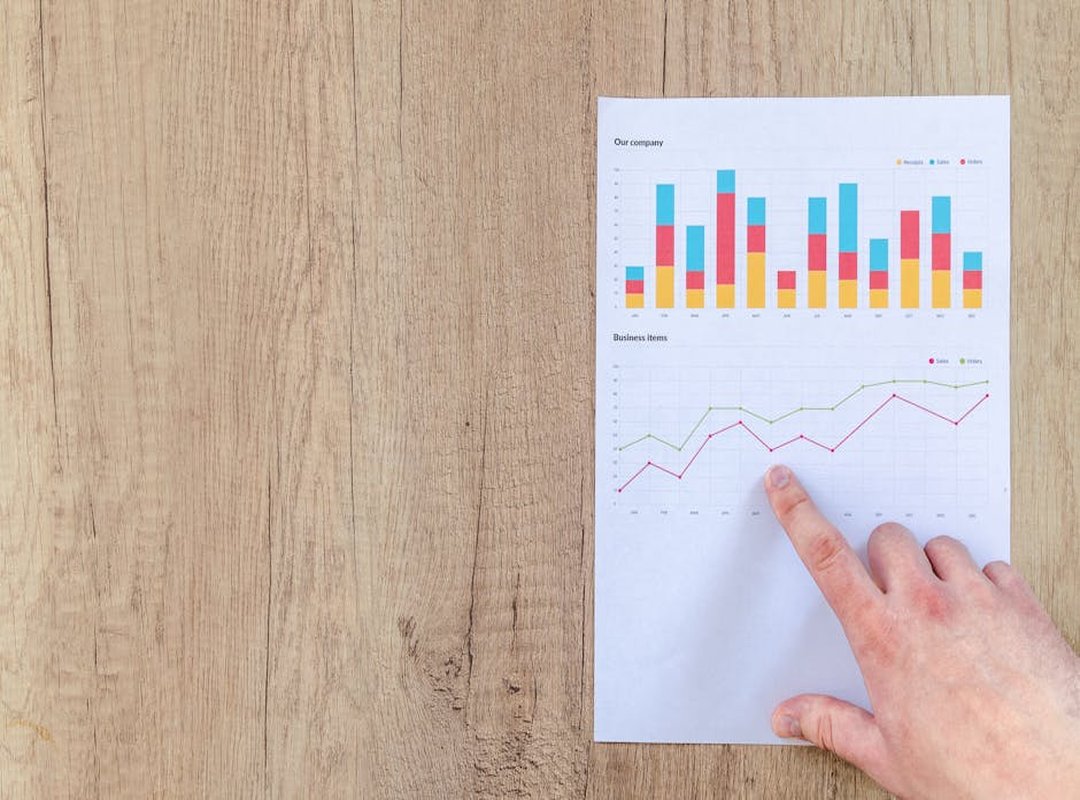
I read tech news every day. Most of it feels like watching weather reports for a storm you’re already inside.
Feedworldtech is different.
It’s not about headlines. It’s about why the headline matters. And what happens two months after the hype dies.
Other sites drop a story, slap on a “breaking” tag, and move on. Feedworldtech digs. Not just deeper (but) sideways.
They talk to the engineers who built the thing. The regulators who’ll shut it down. The grad students slowly rewriting the rules.
You can read more about this in World techie news feedworldtech.
That’s where curation comes in. Not algorithmic curation. Human curation.
Someone says: “This one matters. This one doesn’t. And this third one?
You need to read it before your boss asks.”
You want proof? Look at their April 2024 piece on quantum error correction. While others were still calling it “5. 10 years away,” Feedworldtech published a step-by-step breakdown of the IBM-UCSB lab breakthrough (and) why it meant real-world quantum advantage could hit by late 2025.
(Spoiler: they were right.)
World Techie News Feedworldtech is where that kind of clarity lives.
They cover AI ethics with lawyers (not) just devs. Biotech with clinicians (not) just VC bloggers. Quantum with experimental physicists.
Not PR reps.
Most “Best Tech News Sources Feedworldtech” lists miss this point entirely. They rank based on speed or volume. Feedworldtech wins on weight.
You don’t save time by skimming more feeds. You save time by reading one that cuts the noise.
Do you really need another take on Apple’s next chip? Or do you need to understand how that chip reshapes edge-AI deployment in hospitals?
I know which one I pick.
And if you’ve ever closed a tab thinking “Wait. What did that actually mean?” (you) do too.
How I Actually Use Feedworldtech
I stopped reading tech news like it’s a newspaper. Too much noise. Too little signal.
So I trained Feedworldtech to serve me (not) the other way around.
I add RSS feeds for three competitors. I mute anything tagged “VC funding round.” And I set alerts for patent filings in my niche. (Turns out, that’s where real moves happen.)
Every Monday, I skim the weekly summary. Takes 90 seconds. Tells me what shifted while I was offline.
Before I pitch a new feature? I dig into the archive. Saw how AI tooling adoption spiked after Chrome dropped Manifest V2.
Saved us six weeks of wrong assumptions.
This isn’t passive consumption. It’s reconnaissance.
If you’re still scrolling blindly through headlines, you’re falling behind.
The Best Tech News Sources Feedworldtech setup I use is simple: narrow focus, zero tolerance for fluff, and real-time relevance.
You can start with Feedworldtech World Techie News by Feedbuzzard.
Build Your Information Advantage Today
I’ve watched people drown in headlines. You scroll. You skim.
You forget before you finish the sentence.
That’s not information. That’s noise.
You don’t need more. You need less (but) the right less. The kind that lands, sticks, and actually helps you decide.
Best Tech News Sources Feedworldtech cuts through it. Not by adding more. By cutting everything else out.
It learns what matters to you. Not what’s trending. Not what’s loud.
What’s useful.
You’re tired of guessing which story matters. You’re done wasting time on filler. You want insight (not) inventory.
So stop sifting.
Start discovering.
Explore Feedworldtech and customize your feed now. It takes 90 seconds. Your brain will thank you tomorrow.

 Ask Keishaner Laskowski how they got into smart app ecosystems and you'll probably get a longer answer than you expected. The short version: Keishaner started doing it, got genuinely hooked, and at some point realized they had accumulated enough hard-won knowledge that it would be a waste not to share it. So they started writing.
What makes Keishaner worth reading is that they skips the obvious stuff. Nobody needs another surface-level take on Smart App Ecosystems, Expert Breakdowns, App Optimization Techniques. What readers actually want is the nuance — the part that only becomes clear after you've made a few mistakes and figured out why. That's the territory Keishaner operates in. The writing is direct, occasionally blunt, and always built around what's actually true rather than what sounds good in an article. They has little patience for filler, which means they's pieces tend to be denser with real information than the average post on the same subject.
Keishaner doesn't write to impress anyone. They writes because they has things to say that they genuinely thinks people should hear. That motivation — basic as it sounds — produces something noticeably different from content written for clicks or word count. Readers pick up on it. The comments on Keishaner's work tend to reflect that.
Ask Keishaner Laskowski how they got into smart app ecosystems and you'll probably get a longer answer than you expected. The short version: Keishaner started doing it, got genuinely hooked, and at some point realized they had accumulated enough hard-won knowledge that it would be a waste not to share it. So they started writing.
What makes Keishaner worth reading is that they skips the obvious stuff. Nobody needs another surface-level take on Smart App Ecosystems, Expert Breakdowns, App Optimization Techniques. What readers actually want is the nuance — the part that only becomes clear after you've made a few mistakes and figured out why. That's the territory Keishaner operates in. The writing is direct, occasionally blunt, and always built around what's actually true rather than what sounds good in an article. They has little patience for filler, which means they's pieces tend to be denser with real information than the average post on the same subject.
Keishaner doesn't write to impress anyone. They writes because they has things to say that they genuinely thinks people should hear. That motivation — basic as it sounds — produces something noticeably different from content written for clicks or word count. Readers pick up on it. The comments on Keishaner's work tend to reflect that.