
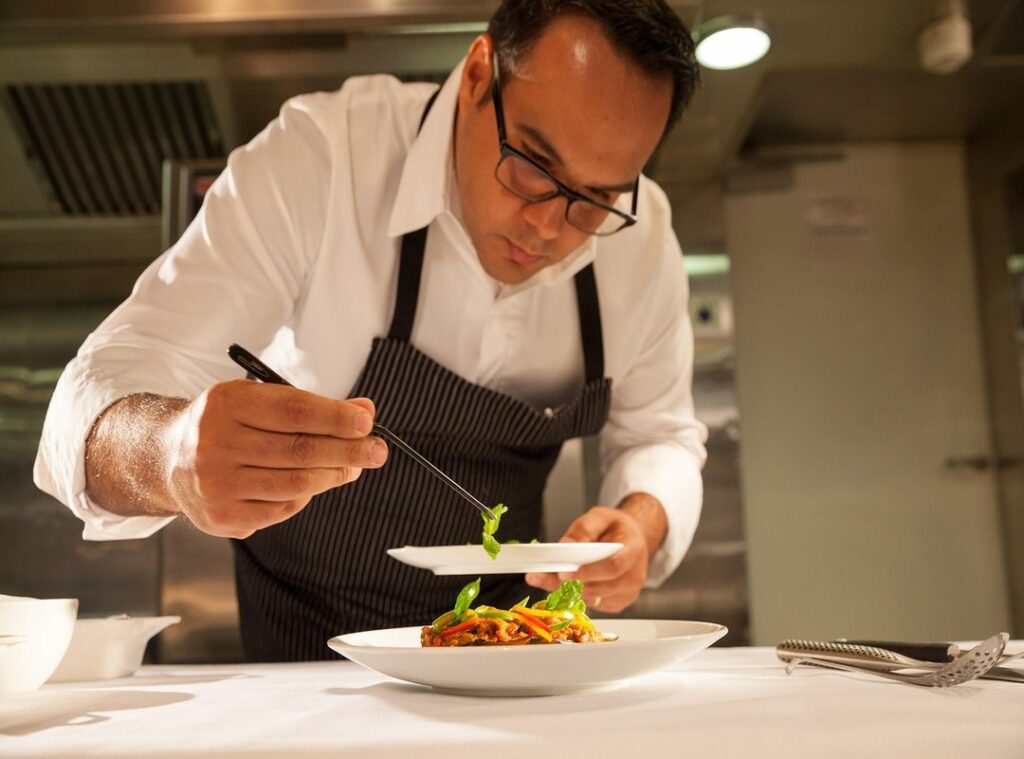
Cusco’s culinary scene is a vibrant blend of ancient Incan traditions and modern innovation. You can find world-class dining here, but michelin star restaurants cusco don’t exist—yet. The Michelin Guide doesn’t rate restaurants in Peru.
But don’t let that stop you. This article will guide you to the best of the best. We’ll point you to the restaurants that are celebrated by other top awards like ‘The World’s 50 Best Restaurants.’
You’ll get a curated list of must-visit dining experiences in Cusco. These places represent the pinnacle of Peruvian cuisine. Trust me, you won’t be disappointed.
Why You Won’t Find a Michelin Star in Peru (Yet)
I was in Cusco last year, and the food was incredible. Yet, I couldn’t help but notice there were no michelin star restaurants cusco. It’s not because the food is subpar.
Far from it.
The Michelin Guide, known for its rigorous standards, hasn’t expanded to Peru yet. This is more about geography than quality.
Michelin stars are awarded by anonymous inspectors who visit restaurants multiple times. They look at everything from the quality of ingredients to the mastery of techniques. But these inspectors haven’t made their way to Peru.
So, what does this mean for Cusco? The city’s culinary scene is thriving, even without Michelin recognition. Local chefs are innovating and creating dishes that rival those in any Michelin-starred restaurant.
Alternative Culinary Awards
Thankfully, there are other highly respected awards that do cover the region. ‘Latin America’s 50 Best Restaurants’ and ‘The World’s 50 Best Restaurants’ are two such examples. These rankings highlight the best in Peruvian cuisine.
Peruvian chefs like Virgilio Martínez and Gastón Acurio have received global acclaim. Their innovative approaches and commitment to local ingredients have put Peruvian cuisine on the map.
You can still find ‘Michelin-level’ quality in Cusco. Just follow these other prestigious rankings and local expert recommendations. Trust me, you won’t be disappointed.
Cusco’s Elite: The Restaurants Redefining Peruvian Cuisine
MIL Centro is a standout in the culinary world, nestled in the Sacred Valley, overlooking the Moray ruins. The view alone is breathtaking, with ancient terraces stretching out below.
Chef Virgilio Martínez’s philosophy is all about the ‘mater’ ecosystem. He uses high-altitude ingredients, many of which you won’t find anywhere else. Imagine tasting herbs and vegetables that grow at 10,000 feet.
It’s a sensory journey.
The ambiance at MIL is serene and almost otherworldly. You can feel the cool mountain air and hear the distant sounds of nature. The tasting menu, priced around $200, offers an experimental experience.
Each dish is a story, a blend of textures and flavors that are both unique and deeply rooted in the land.
Chicha por Gastón Acurio is another gem, right in the heart of Cusco. It’s housed in a colonial building, adding a touch of history to your dining experience. The atmosphere is cozy and inviting, with warm lighting and rustic decor.
Chicha celebrates regional Cusquenian flavors with a sophisticated touch. Try the alpaca carpaccio or the guinea pig confit. The alpaca is tender and rich, while the guinea pig has a crispy skin and succulent meat. michelin star restaurants cusco
It’s a traditional luxury, priced around $60 for a full course.
Both MIL and Chicha are part of the michelin star restaurants cusco scene, offering unforgettable experiences. Whether you’re looking for a deep dive into the local ecosystem or a refined taste of the region, these places have it all.
More Culinary Stars: Hidden Gems and Local Favorites
When you think of michelin star restaurants cusco, a few names might come to mind. But there are some hidden gems that offer an authentic taste of the Andean region.
Cicciolina, for instance, is known for its tapas-style offerings. The small, flavorful dishes are perfect for sharing and give you a chance to try a bit of everything.
MAP Café, on the other hand, stands out with its historic courtyard setting. It’s not just about the food; the ambiance makes every meal a memorable experience.
For those who prefer a more contemporary twist, there’s a fusion option that’s popular with discerning travelers. This place takes local ingredients and gives them a modern, innovative spin.
Pro Tip: Try the alpaca carpaccio at Cicciolina. It’s a unique dish that connects you to the local culture and produce.
At MAP Café, the quinoa and trout dish is a must-try. It’s a perfect blend of traditional and refined flavors.
These spots offer incredible value and an authentic taste of Cusco’s culinary soul, away from the global spotlight. You get to enjoy high-quality, innovative cuisine without the crowds and the hefty price tags.
So, why not explore these hidden gems? You’ll be rewarded with a genuine, unforgettable dining experience.
How to Secure a Table at Cusco’s Top Restaurants
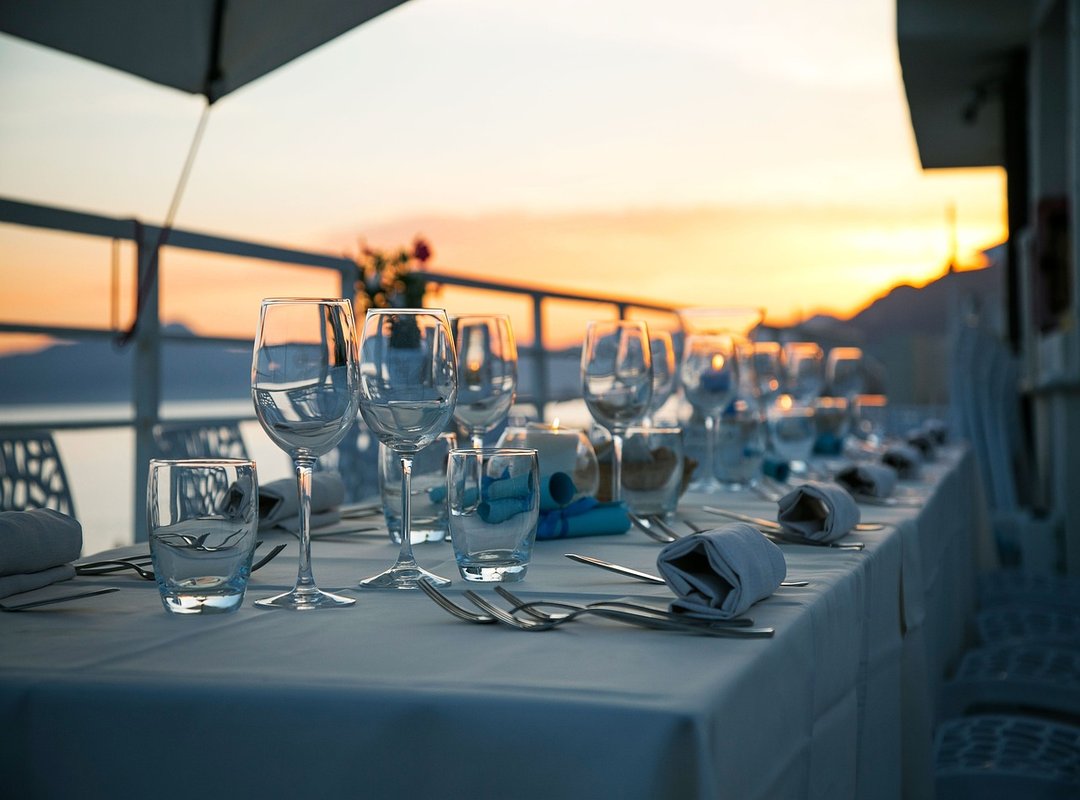
Securing a table at Cusco’s top restaurants, especially the michelin star restaurants cusco, can be a challenge. Book weeks or even months in advance. Trust me, it’s worth the effort.
Timing is everything. For the best ambiance and fewer crowds, aim for a mid-week dinner. The atmosphere tends to be more relaxed and intimate.
Dress codes are usually smart casual. No need to go all out with formal wear. Just make sure you look presentable.
Transportation can be tricky, especially for restaurants in the Sacred Valley. Consider hiring a private car or using a reliable taxi service. It’s safer and more convenient.
One last tip: Confirm your reservation a day or two before. High-demand restaurants often do this to ensure they’re fully prepared for their guests.
Your Culinary Journey in Cusco Awaits
While Cusco may not boast any michelin star restaurants cusco, its culinary scene is undeniably world-class and recognized by other major awards. You are now equipped with a list of the best restaurants that deliver an unforgettable experience. MIL Centro and Chicha stand out as prime examples of the quality available.
Don’t miss the chance to book a reservation and explore the incredible flavors of the Andes on your next trip to Cusco.

 Ask Keishaner Laskowski how they got into smart app ecosystems and you'll probably get a longer answer than you expected. The short version: Keishaner started doing it, got genuinely hooked, and at some point realized they had accumulated enough hard-won knowledge that it would be a waste not to share it. So they started writing.
What makes Keishaner worth reading is that they skips the obvious stuff. Nobody needs another surface-level take on Smart App Ecosystems, Expert Breakdowns, App Optimization Techniques. What readers actually want is the nuance — the part that only becomes clear after you've made a few mistakes and figured out why. That's the territory Keishaner operates in. The writing is direct, occasionally blunt, and always built around what's actually true rather than what sounds good in an article. They has little patience for filler, which means they's pieces tend to be denser with real information than the average post on the same subject.
Keishaner doesn't write to impress anyone. They writes because they has things to say that they genuinely thinks people should hear. That motivation — basic as it sounds — produces something noticeably different from content written for clicks or word count. Readers pick up on it. The comments on Keishaner's work tend to reflect that.
Ask Keishaner Laskowski how they got into smart app ecosystems and you'll probably get a longer answer than you expected. The short version: Keishaner started doing it, got genuinely hooked, and at some point realized they had accumulated enough hard-won knowledge that it would be a waste not to share it. So they started writing.
What makes Keishaner worth reading is that they skips the obvious stuff. Nobody needs another surface-level take on Smart App Ecosystems, Expert Breakdowns, App Optimization Techniques. What readers actually want is the nuance — the part that only becomes clear after you've made a few mistakes and figured out why. That's the territory Keishaner operates in. The writing is direct, occasionally blunt, and always built around what's actually true rather than what sounds good in an article. They has little patience for filler, which means they's pieces tend to be denser with real information than the average post on the same subject.
Keishaner doesn't write to impress anyone. They writes because they has things to say that they genuinely thinks people should hear. That motivation — basic as it sounds — produces something noticeably different from content written for clicks or word count. Readers pick up on it. The comments on Keishaner's work tend to reflect that.