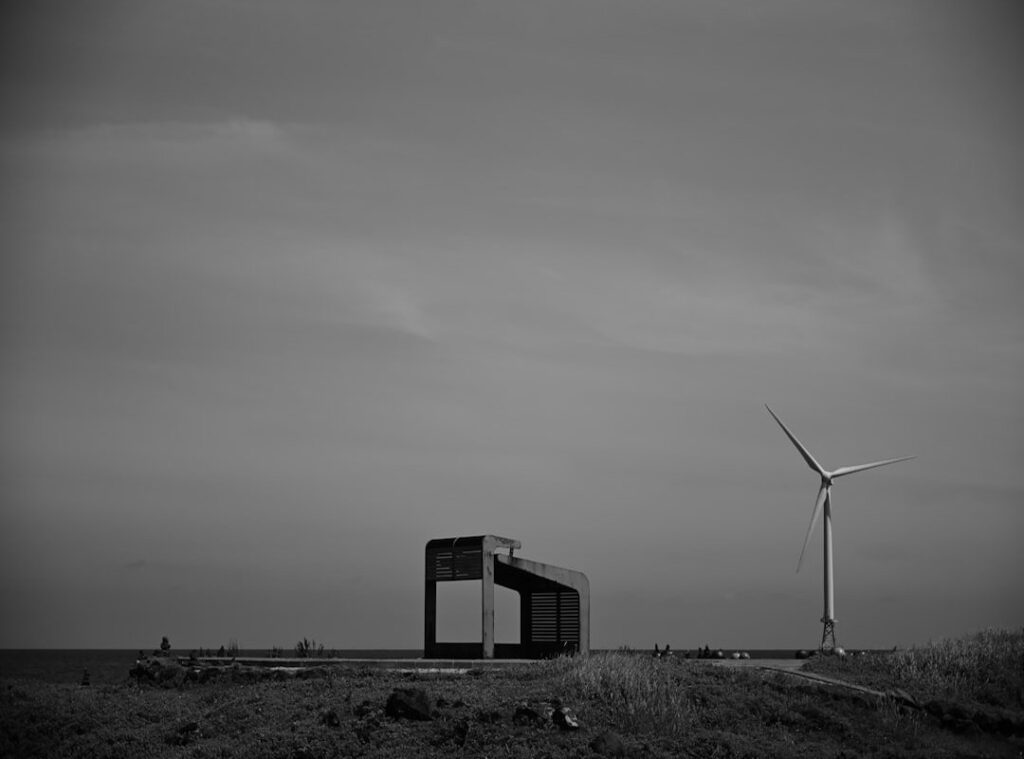
When you think of renewable energy, what images pop into your head? Probably solar panels or wind turbines, right? But what happens when those are no longer enough?
To achieve true energy independence and combat climate change, we need more than just what we have now. We need smarter, more fast, deeply integrated energy systems. the next wave of renewable energy breakthroughs steps in.
I’m diving into this topic with eyes wide open, tracking how technology and software frameworks are slowly revolutionizing energy infrastructure. You want specifics, not fluff. We’re talking about game-changing advancements that are shaping a cleaner future.
And I promise, by the end of this, you’ll have a clear, intelligent view of what’s powering this transformation. It’s not just about hope. It’s about real change.
Next-Generation Energy: Beyond Solar and Wind
to what’s next for renewable energy breakthroughs. It’s not just about solar panels and wind turbines anymore. We’re on the brink of something big.
Perovskite solar cells, for instance. Ever heard of them? They’re not your everyday silicon panels.
Their unique crystal structure lets them absorb a wider light spectrum. This means they promise higher efficiency at lower costs. But durability?
That’s their Achilles’ heel. Material science is on it, though, working hard to solve this puzzle. Are we there yet?
Not quite. But the potential is too significant to ignore.
Then there’s Advanced Geothermal Systems, or AGS for short. Traditional geothermal had its limits, mainly because it depended on specific locations. But AGS changes the game entirely.
With new drilling technologies and closed-loop systems, geothermal power is becoming accessible even in regions once deemed unsuitable. Imagine tapping into Earth’s natural heat almost anywhere. Sounds like science fiction?
It’s getting closer to reality. These innovations could open up geothermal energy to a much broader audience.
Now, let’s talk about the ocean. Tidal and wave energy converters are making waves (pun intended). Engineering breakthroughs in turbine design and materials are key here.
They withstand harsh marine conditions, turning predictable ocean movements into reliable power. It’s like harnessing the moon’s pull on the tide. How cool is that?
These converters are not just a concept anymore. They’re a real, emerging player in the energy sector.
Curious about more emerging innovations? There’s a guide that dives deeper into these technologies. Check it out if you’re interested in the future of energy.
We’re on the cusp of a revolution, and it’s going to be fascinating to watch it unfold.
The Digital Backbone: AI’s Role in Creating a Smarter Grid
Let’s get one thing straight. The Smart Grid isn’t just a jumble of metal and wires. It’s an intelligent, responsive network driven by data and two-way communication.
Think of it as the brain behind your power supply, making sure everything flows smoothly while we sleep.
AI plays a major role here. Take predictive analytics. Machine learning algorithms dig through data from countless IoT sensors on turbines and solar arrays.
These algorithms forecast energy output but predict when components might fail. This isn’t futuristic nonsense. It’s practical, real-world tech that drastically cuts downtime (and costs).
Who doesn’t love saving money on maintenance?
But AI’s talents don’t stop there. It’s like a traffic control system for electricity. Imagine AI directing the chaotic, fluctuating flow of energy from various renewable sources.
It’s predicting demand so accurately that blackouts can be prevented by rerouting power in real time. Sounds magical, doesn’t it?
How about energy distribution? AI here ensures not a single watt of green energy gets wasted. With high renewable penetration, grid stability is constantly on the brink.
Yet the software optimizes everything, balancing the load like a maestro conducting an orchestra.
In all these processes, AI doesn’t just support renewable energy efforts. It’s central to renewable energy breakthroughs. This technology ensures we’re not just dreaming about a sustainable future.
We’re building it, bit by bit.
This isn’t just tech for tech’s sake. It’s about making our world function better without the calamitous environmental cost. Cool, huh?
With AI, the grid becomes a living, breathing entity. It responds, adapts, and thrives, ensuring a sustainable flow of energy that powers our lives while caring for our planet. That’s the beauty of a smarter grid.
Solving for Sundown: Energy Storage’s New Dawn
Renewable energy is fantastic, right? But there’s a hitch. The sun and wind aren’t always at our beck and call.
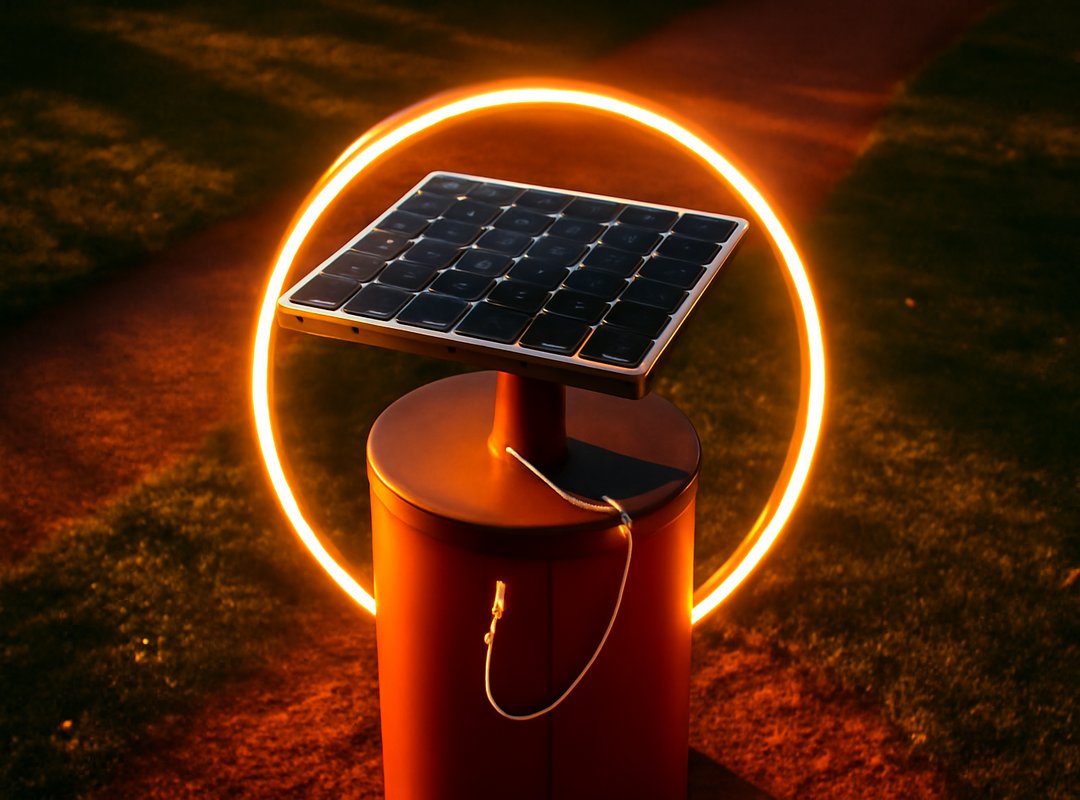
This intermittency is the core challenge, making 24/7 clean power feel like a pipe dream.
Enter advanced storage solutions. They’re the real game-changer here. While lithium-ion batteries were the heroes of yesterday, we need more flexible options today.
Let’s talk about the new kids on the block.
Solid-State Batteries
These batteries are the next big thing. Why? Higher energy density and no flammable liquid make them safer.
They last longer too, which is a win for electric vehicles and home storage. Imagine your car charging in minutes instead of hours. That’s the kind of future we’re talking about.
Then there are grid-scale flow batteries. They’re not just bigger; they’re smarter. By storing energy in external liquid tanks, they offer unmatched scalability and longevity.
But wait, there’s more. Gravity storage is another fascinating idea. It’s as simple as lifting a weight when there’s excess power and letting it fall to generate electricity when needed.
Perfect for cities needing to store massive energy amounts. It’s exciting to think entire urban areas could be powered sustainably.
Ingenious, right?
These innovations are part of the broader renewable energy breakthroughs we’re witnessing. And they’re not just limited to storage solutions. If you’re intrigued by how technology is reshaping our world, check out how quantum computing changing everything.
The lesson here? Don’t get stuck in the past. Embrace these new technologies.
They’re not just concepts; they’re the future. Let’s solve for sundown and keep the lights on. Always.
The Software Edge: Powering Smart Energy Ecosystems
Think of a “smart energy space” as a digital web connecting energy points. Software is the glue holding it all together. It turns fragmented systems into a cohesive force, fast and responsive.
The concept of Virtual Power Plants (VPPs) is game-changing. It takes distributed energy resources like home solar panels or EV batteries and aggregates them into a single, dispatchable power source. This is not just technical jargon; it’s a renewable energy breakthrough.
Picture this: your home isn’t just consuming energy. It’s part of a larger network, actively balancing the grid. Suddenly, you’re not just a consumer, but a participant.
How cool is that? VPPs let us be part of something bigger. They redefine participation in the energy game.
But let’s not stop at VPPs. Advanced software frameworks and “digital twins” are reshaping renewable projects. These digital models simulate layouts, improve technology mixes, and reduce financial risks before construction begins.
Imagine planning a huge project and knowing it’ll work. It’s like having a crystal ball (without the magic). You get to see potential pitfalls and sidestep them.
Data analytics platforms? They’re game-changers. They help utilities and consumers alike.
Imagine getting real-time takeaways into your energy usage. Not just numbers, but actionable takeaways. You can tweak your consumption patterns and even earn incentives for being fast.
Pro tip: dive into demand-response programs. They reward you for cutting back energy use during peak times. It’s like getting paid to be smart.
It’s a win-win.
In this tech-driven era, the shift isn’t just happening. We’re living it. Software is propelling us forward, turning traditional models on their head.
And honestly, why wouldn’t we embrace this change?
Powering Tomorrow with Smarter Choices
The complexities of energy transition aren’t just hurdles; they’re inspirations for new heights. We’re seeing renewable energy breakthroughs where AI and material science join forces. It’s not about more turbines.
It’s about smarter systems. Imagine a world where data drives every decision, making energy both sustainable and resilient. Curious about these trends?
You should be. They’re shaping the future. Stay informed.
Dive into platforms that dissect tech tools and trends. It’s your chance to stay ahead, and why not? Embrace these innovations today by exploring our takeaways.
Knowledge fuels change. Be part of the solution. Start now.

 Tracy Corbittoner writes the kind of etsios-based software frameworks content that people actually send to each other. Not because it's flashy or controversial, but because it's the sort of thing where you read it and immediately think of three people who need to see it. Tracy has a talent for identifying the questions that a lot of people have but haven't quite figured out how to articulate yet — and then answering them properly.
They covers a lot of ground: Etsios-Based Software Frameworks, Smart App Ecosystems, Innovation Alerts, and plenty of adjacent territory that doesn't always get treated with the same seriousness. The consistency across all of it is a certain kind of respect for the reader. Tracy doesn't assume people are stupid, and they doesn't assume they know everything either. They writes for someone who is genuinely trying to figure something out — because that's usually who's actually reading. That assumption shapes everything from how they structures an explanation to how much background they includes before getting to the point.
Beyond the practical stuff, there's something in Tracy's writing that reflects a real investment in the subject — not performed enthusiasm, but the kind of sustained interest that produces insight over time. They has been paying attention to etsios-based software frameworks long enough that they notices things a more casual observer would miss. That depth shows up in the work in ways that are hard to fake.
Tracy Corbittoner writes the kind of etsios-based software frameworks content that people actually send to each other. Not because it's flashy or controversial, but because it's the sort of thing where you read it and immediately think of three people who need to see it. Tracy has a talent for identifying the questions that a lot of people have but haven't quite figured out how to articulate yet — and then answering them properly.
They covers a lot of ground: Etsios-Based Software Frameworks, Smart App Ecosystems, Innovation Alerts, and plenty of adjacent territory that doesn't always get treated with the same seriousness. The consistency across all of it is a certain kind of respect for the reader. Tracy doesn't assume people are stupid, and they doesn't assume they know everything either. They writes for someone who is genuinely trying to figure something out — because that's usually who's actually reading. That assumption shapes everything from how they structures an explanation to how much background they includes before getting to the point.
Beyond the practical stuff, there's something in Tracy's writing that reflects a real investment in the subject — not performed enthusiasm, but the kind of sustained interest that produces insight over time. They has been paying attention to etsios-based software frameworks long enough that they notices things a more casual observer would miss. That depth shows up in the work in ways that are hard to fake.