
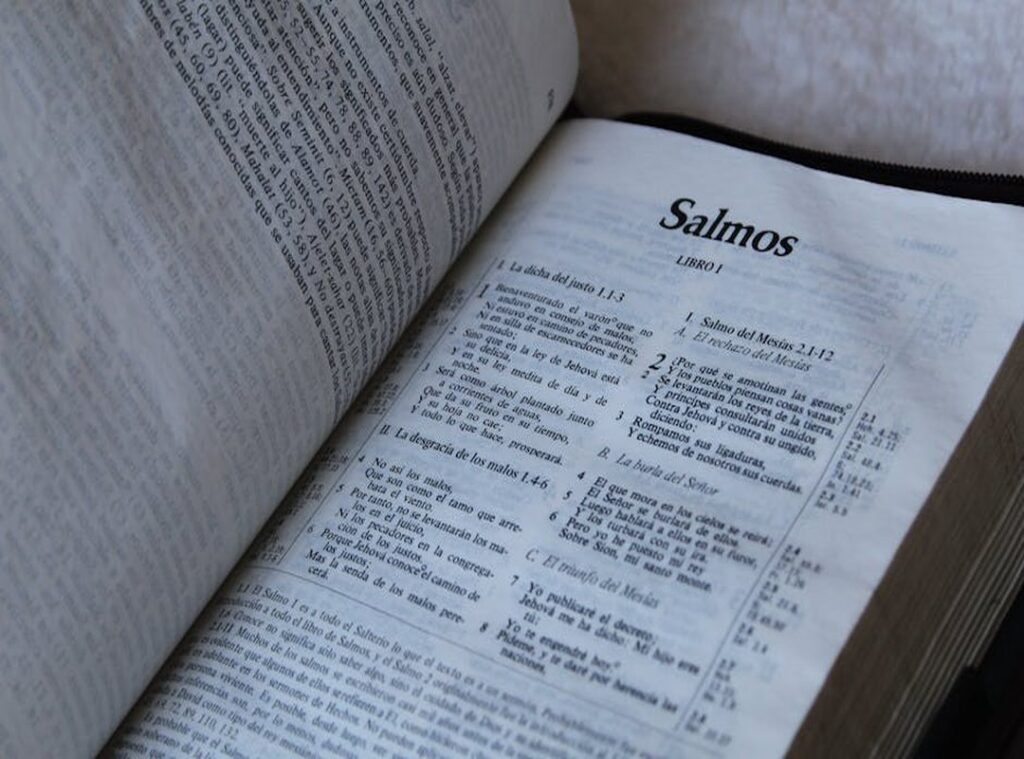
Sometimes we all feel the weight of our past mistakes. We yearn for a fresh start, a chance to wipe the slate clean. Salmo 51 is one of the most profound and powerful prayers of repentance in the Bible.
It’s often turned to in times of personal struggle.
This article aims to provide the full text of Salmo 51 na papiamentu and to explore its rich meaning for spiritual renewal. I promise you’ll gain a deeper appreciation for the concepts of mercy and transformation as expressed in your native Papiamento.
This psalm isn’t just ancient words; it’s a living prayer for anyone seeking a path back to spiritual peace.
Salmo 51: Un Súplika pa Miserikòrdia i Purifikashon
Salmo 51 es un súplika tradisionalmente atribuído a Rey David después di su gran pecado. Aki ta e texto kompleto di salmo 51 na papiamentu.
- Miserikòrdia, Dios mío, por tu bondad; por tu grand kompasión borra mis ofensas.
- Lava mi de mi culpa, y purifíkame de mi pecado.
- Porque yo conozo mis ofensas, y mi pecado está siempre delante de mí.
- Contra ti, contra ti solamente, he pecado, e hice lo que es mal ante tus ojos; para que te justifiques en tus palabras, y triunfes cuando me juzgues.
- He aquí, en la iniquidad nací, y en pecado me concibió mi madre.
- Pero tú quieres verdad en lo íntimo; enséñame sabiduría en lo secreto.
- Púdrase mi con limpieza, y circúndame de blancheza.
- Hazme oír gozo y alegría, para que se regocijen los huesos que has quebrantado.
- Aparta tu faz de mis pecados, y borra todas mis iniquidades.
- Crea en mí, oh Dios, un corazón limpio, y renueva un espíritu recto dentro de mí.
- No me eches de delante de ti, ni quites de mí tu santo espíritu.
- Vuélveme tu salvación, y espíritu de comprensión manténme.
- Enseñaré a los impíos tus caminos, y ellos volverán a ti.
- Líbrame de sangres, oh Dios, Dios de mi salvación, y cantará mi lengua tu justicia.
- Abre, Señor, mis labios, y publicará mi boca tu alabanza.
- Porque no quieres sacrificio, yo te daría; holocausto no te agrada.
- El sacrificio de Dios es el espíritu quebrantado; corazón quebrantado y contrito, oh Dios, no despreciarás.
- Haz bien a Sion en tu buena voluntad; edifica los muros de Jerusalén.
- Entonces aceptarás los sacrificios de justicia, oblación y holocaustos; entonces ofrecerán novillos sobre tu altar.
Este salmo refleja la humildad y el arrepentimiento, mostrando cómo uno puede buscar la gracia y la restauración divina.
Desglosando e Nukleo di e Salmo
Let’s dive into the first key theme: Honest Confession (Verses 3-5). The line “Paso mi konosé mi transgreshonnan” is a powerful reminder of the importance of acknowledging our wrongdoing without making excuses. It’s about facing our mistakes head-on.
Why is this so important? Because it sets the stage for genuine repentance and healing. When we admit our faults, we open the door to forgiveness and growth.
Moving on to the second key theme: The Plea for Divine Cleansing (Verses 7-10). The imagery here is vivid and moving. The plea to be washed “mas blanku ku sneu” and for “un kurason puru” speaks to the deep human desire for renewal and purity.
This isn’t just about physical cleanliness; it’s about a spiritual and emotional transformation. We all long for a fresh start, a chance to begin anew. This theme resonates with the modern feeling of needing to be made new, especially after a significant mistake.
The third key theme: True Sacrifice (Verses 16-17). Here, the insight is clear: God desires a “spiritu kibrá” and a “kurason kontrito i humilde” over ritual offerings. This means that true sacrifice is not about what we give up, but about the attitude of our hearts.
In today’s world, where technology and innovation are rapidly changing, the idea of a humble and contrite heart remains timeless. It’s a reminder that no matter how advanced we become, the core of our humanity—our need for humility and grace—never changes.
- Honest Confession
- Divine Cleansing
- True Sacrifice
These themes in salmo 51 na papiamentu show a progression from guilt to hope. They remind us that by acknowledging our faults, seeking cleansing, and offering a humble heart, we can find a path to renewal and redemption.
Looking ahead, I predict that as top emerging technology innovations to watch this year continue to shape our lives, the spiritual lessons from this psalm will remain relevant. The need for honesty, cleansing, and humility will always be at the heart of our human experience.
Kon pa Apliká e Mensahe di Salmo 51 den Bo Bida

Salmo 51 na papiamentu es un mensahe poderoso pa momentu di refleksion o kada kier perdón.
- Medita na un solo versiku.
- Koseha un versiku ku ta toka tu corason, komo el versiku 10: “Krea den mi un kurason puru, o Dios.”
-
Usa e komo un enfoque diariu pa kresimentu personal.
-
Usa e salmo komo un recordadó.
- Recorda ku la misericordia divina ta siempre disponible pa un corason sinseru.
-
E salmo ta un consuelo pa reduzir sentimento di avergüenza.
-
Vira e salmo un mapa pa kresimentu.
- No lo veja solamente komo un ruego di perdón, sino komo un plan pa formá un fundamento spiritual más fuerte y honestu.
-
Usa e salmo pa fortifiká tu fe y ser mas sincero kontu Dios.
-
Aplika e salmo pa sanación.
- Usa e salmo regularmente pa sanar emocional y spiritual.
- Incorpora e orashon na tu rutina diariu pa una conexhon más profunda ku Dios.
E salmo no ta solamente un texto antiguo. Ta un herramienta práktika pa mejorar tu vida diariu.
E Speransa di un Komienso Nobo
Salmo 51 na papiamentu narra un viaje poderoso di e oskuridat di transgresion pa lus di redension. Aki, nos ta mira konfyansia i arrepentimento ta keda rekonosido. Un kora humilde i honesto ta ser la llave pa resibi merse sin limito i logra renovashon espiritual.
Nos ta keda anima ku speransa di un komienso nobo ta posibel siempre traves di fe. Palabra antigu di Salmo 51 na papiamentu ta sigur ofresi konforto profund i orientashon henter.

 Ask Keishaner Laskowski how they got into smart app ecosystems and you'll probably get a longer answer than you expected. The short version: Keishaner started doing it, got genuinely hooked, and at some point realized they had accumulated enough hard-won knowledge that it would be a waste not to share it. So they started writing.
What makes Keishaner worth reading is that they skips the obvious stuff. Nobody needs another surface-level take on Smart App Ecosystems, Expert Breakdowns, App Optimization Techniques. What readers actually want is the nuance — the part that only becomes clear after you've made a few mistakes and figured out why. That's the territory Keishaner operates in. The writing is direct, occasionally blunt, and always built around what's actually true rather than what sounds good in an article. They has little patience for filler, which means they's pieces tend to be denser with real information than the average post on the same subject.
Keishaner doesn't write to impress anyone. They writes because they has things to say that they genuinely thinks people should hear. That motivation — basic as it sounds — produces something noticeably different from content written for clicks or word count. Readers pick up on it. The comments on Keishaner's work tend to reflect that.
Ask Keishaner Laskowski how they got into smart app ecosystems and you'll probably get a longer answer than you expected. The short version: Keishaner started doing it, got genuinely hooked, and at some point realized they had accumulated enough hard-won knowledge that it would be a waste not to share it. So they started writing.
What makes Keishaner worth reading is that they skips the obvious stuff. Nobody needs another surface-level take on Smart App Ecosystems, Expert Breakdowns, App Optimization Techniques. What readers actually want is the nuance — the part that only becomes clear after you've made a few mistakes and figured out why. That's the territory Keishaner operates in. The writing is direct, occasionally blunt, and always built around what's actually true rather than what sounds good in an article. They has little patience for filler, which means they's pieces tend to be denser with real information than the average post on the same subject.
Keishaner doesn't write to impress anyone. They writes because they has things to say that they genuinely thinks people should hear. That motivation — basic as it sounds — produces something noticeably different from content written for clicks or word count. Readers pick up on it. The comments on Keishaner's work tend to reflect that.