

Pietra Lucca’s artistic portrayal is something I’m passionate about. You might not know this, but it’s a place with a rich and inspiring heritage.
Many travelers and art enthusiasts overlook Pietra Lucca. They miss out on its unique blend of historical and contemporary art.
I’ve spent years exploring both travel and art. I can tell you, there’s a lot to uncover here.
This article will dive into the various artistic representations of Pietra Lucca. From historical to modern, and why they matter. You’ll see why it’s worth your attention.
Pietra Luccas nude sculptures, for instance, are a testament to the region’s bold and forward-thinking artists. They challenge conventions and spark conversations.
Let’s explore what makes Pietra Lucca a must-see for anyone who appreciates art and history.
Historical Context: The Roots of Pietra Lucca’s Artistic Legacy
Ancient Beginnings: Imagine walking through a city where every stone whispers stories of the past. In Pietra Lucca, the early artistic influences are like the foundation of a house—solid and enduring. Ancient architecture and sculptures laid the groundwork, setting the stage for what was to come.
Medieval Influence: Fast forward to the medieval period. This era was like a painter adding layers to a canvas. Religious and civic art flourished, transforming the city into a living tapestry of faith and governance.
Churches and public squares became the heartbeats of the community, each with its own unique rhythm.
Renaissance Revival: Then came the Renaissance, a time when the city’s artistic prominence soared like a phoenix from the ashes. Key artists and works emerged, elevating Pietra Lucca to new heights. It was as if the city had been waiting for this moment to shine, and it did so brilliantly.
Pietra Lucca’s nude, for instance, is a testament to the refined and naturalistic style that became a hallmark of the Renaissance. These works were not just art; they were a reflection of the city’s evolving identity and aspirations.
Contemporary Artists and Their Vision
Modern Masters: Let’s dive into some of the leading contemporary artists who have been inspired by Pietra Lucca. Each one brings a unique style to the table, making the city a vibrant hub for creativity.
Take, for example, Marco Bianchi. His abstract paintings blend traditional techniques with bold, modern colors. Then there’s Sofia Rossi, known for her intricate and thought-provoking sculptures that often incorporate pietra luccas nude.
These artists are redefining what it means to be a modern master.
Artistic Movements: The current artistic movements in Pietra Lucca are diverse and dynamic. Street art, for instance, has taken the city by storm. Murals and graffiti now adorn many walls, adding a fresh, urban feel to the historic architecture.
Modern sculpture is also thriving. Public installations and galleries showcase innovative works that challenge conventional forms. And let’s not forget digital art.
With the rise of technology, artists are using digital platforms to create and share their work, reaching a global audience.
Cultural Impact: These contemporary artists are contributing significantly to the city’s cultural and artistic identity. They bring new perspectives and energy, making Pietra Lucca a must-see destination for art lovers.
Their work not only beautifies the city but also sparks conversations and inspires the next generation of artists. It’s a win-win for both the community and the creative scene.
Iconic Landmarks and Their Artistic Depictions
Pietra Lucca is a city that’s rich in history and beauty. Its landmarks are not just architectural wonders; they’re also a muse for artists.
Let’s start with the most iconic ones. The Cathedral of San Martino, for instance, stands tall with its intricate details and grandeur. It’s been a favorite subject for many artists over the centuries.
Famous Paintings: Some notable paintings capture the essence of Pietra Lucca’s landmarks. For example, the works of Giovanni Battista Tiepolo bring the cathedral to life with vibrant colors and detailed brushstrokes. These paintings provide a glimpse into the past and the artist’s vision.
Photographic Visions: Photography has played a significant role in capturing the beauty and character of Pietra Lucca’s landmarks. Modern photographers like Marco Rossi use their lenses to highlight the textures and nuances of the city. They often focus on the interplay of light and shadow, giving a new perspective to familiar sights.
- Tip: When visiting Pietra Lucca, take a moment to observe how different artists have depicted the same landmark. Notice the varying styles and techniques.
- Pro Tip: Try your hand at photography or sketching. You might discover a new appreciation for the city’s architecture.
One unique aspect of Pietra Lucca is its pietra luccas nude. This type of stone adds a distinctive charm to the buildings, making them stand out even more in artistic depictions.
In today’s digital age, you can find apps that help you explore and appreciate these landmarks in new ways. If you’re into tech, check out super apps vs standalone apps key differences explained. It might give you some ideas on how to enhance your experience.
By understanding the artistic depictions of Pietra Lucca’s landmarks, you can gain a deeper appreciation for the city’s cultural and historical significance.
Artistic Festivals and Events in Pietra Lucca
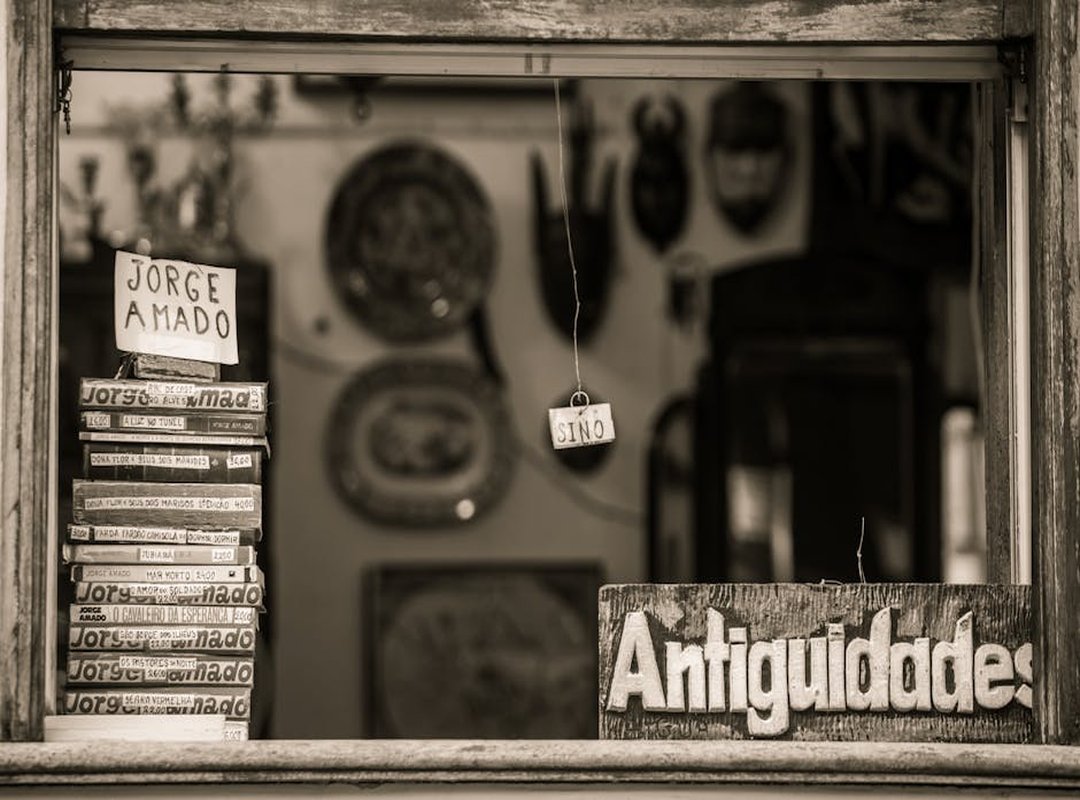
Pietra Lucca is a hub for artistic expression, with a calendar full of vibrant festivals and events. Annual Celebrations bring together local and international artists, creating a unique cultural experience.
The Festival of Lights in June is a must-see. It transforms the city into a glowing spectacle. Don’t miss the Artisan Market in September, where you can find handcrafted treasures.
Visitor Experience is key. Plan your trip around these dates to soak it all in. Arrive early to secure good spots for performances.
The pietra luccas nude sculpture exhibit is a highlight, showcasing the raw beauty of stone.
Community Engagement thrives during these events. Local artists get a platform to shine. This support helps them grow and innovate.
I predict that as these events gain more traction, we’ll see an increase in international participation. More artists and visitors will flock to Pietra Lucca, making it a global arts destination.
Art Galleries and Museums: A Tourist’s Guide
Pietra Lucca is a treasure trove for art lovers. The city boasts an impressive array of galleries and museums, each with its unique charm.
Top Galleries
Let’s start with the top galleries in Pietra Lucca. These places are not just about pretty paintings; they offer a deep dive into the city’s artistic heritage.
Galleria d’Arte Moderna
– Collections: Focuses on 20th-century Italian art.
– Visiting Hours: Tuesday to Sunday, 10 AM to 6 PM.
Galleria degli Uffizi
– Collections: Renowned for Renaissance masterpieces.
– Visiting Hours: Monday to Sunday, 8:15 AM to 6:50 PM.
Galleria dell’Accademia
– Collections: Home to Michelangelo’s David.
– Visiting Hours: Tuesday to Sunday, 8:15 AM to 6:50 PM.
Museum Highlights
Now, let’s move on to the city’s top museums. These institutions house some of the most significant historical and cultural artifacts.
Museo Nazionale di Pietra Lucca
– Key Exhibits: Ancient Roman and Etruscan artifacts.
– Special Features: Interactive displays and guided tours.
Museo delle Scienze
– Key Exhibits: Natural history and scientific innovations.
– Special Features: Hands-on experiments and educational programs.
Museo del Cinema
– Key Exhibits: Film history and memorabilia.
– Special Features: Regular film screenings and workshops.
Curated Tours
For those who want a more in-depth experience, curated tours are a must. These tours provide a deeper understanding of Pietra Lucca’s artistic heritage.
Artistic Heritage Tour
– Highlights: Visit major galleries and hidden gems.
– Duration: 3 hours.
– Cost: €20 per person.
Historical Walk
– Highlights: Explore the city’s historical sites and museums.
– Duration: 4 hours.
– Cost: €25 per person.
Night at the Museum
– Highlights: Evening tours with special access to exhibits.
– Duration: 2 hours.
– Cost: €15 per person.
| Gallery | Collections | Visiting Hours |
|---|---|---|
| Galleria d’Arte Moderna | 20th-century Italian art | Tuesday to Sunday, 10 AM to 6 PM |
| Galleria degli Uffizi | Renaissance masterpieces | Monday to Sunday, 8:15 AM to 6:50 PM |
| Galleria dell’Accademia | Michelangelo’s *David* | Tuesday to Sunday, 8:15 AM to 6:50 PM |
One of the most intriguing pieces you might come across is pietra luccas nude. It’s a stunning example of classical sculpture and a must-see for any art enthusiast.
By exploring these galleries and museums, and taking part in curated tours, you’ll gain a comprehensive understanding of Pietra Lucca’s rich artistic and cultural legacy.
Embracing the Artistic Spirit of Pietra Lucca
Pietra Lucca’s artistic portrayal spans from historical to contemporary, showcasing a rich tapestry of creativity. The city has been a muse for many artists, inspiring works that range from classical sculptures to modern installations. Pietra Luccas nude figures are particularly notable, embodying the timeless beauty and grace that have captivated generations.
Visiting Pietra Lucca is an invitation to immerse yourself in this vibrant artistic heritage. The streets and galleries offer a living museum, where every corner tells a story.
The art of Pietra Lucca continues to influence both the city and the world, leaving an enduring legacy that resonates with art lovers everywhere.

 Ask Keishaner Laskowski how they got into smart app ecosystems and you'll probably get a longer answer than you expected. The short version: Keishaner started doing it, got genuinely hooked, and at some point realized they had accumulated enough hard-won knowledge that it would be a waste not to share it. So they started writing.
What makes Keishaner worth reading is that they skips the obvious stuff. Nobody needs another surface-level take on Smart App Ecosystems, Expert Breakdowns, App Optimization Techniques. What readers actually want is the nuance — the part that only becomes clear after you've made a few mistakes and figured out why. That's the territory Keishaner operates in. The writing is direct, occasionally blunt, and always built around what's actually true rather than what sounds good in an article. They has little patience for filler, which means they's pieces tend to be denser with real information than the average post on the same subject.
Keishaner doesn't write to impress anyone. They writes because they has things to say that they genuinely thinks people should hear. That motivation — basic as it sounds — produces something noticeably different from content written for clicks or word count. Readers pick up on it. The comments on Keishaner's work tend to reflect that.
Ask Keishaner Laskowski how they got into smart app ecosystems and you'll probably get a longer answer than you expected. The short version: Keishaner started doing it, got genuinely hooked, and at some point realized they had accumulated enough hard-won knowledge that it would be a waste not to share it. So they started writing.
What makes Keishaner worth reading is that they skips the obvious stuff. Nobody needs another surface-level take on Smart App Ecosystems, Expert Breakdowns, App Optimization Techniques. What readers actually want is the nuance — the part that only becomes clear after you've made a few mistakes and figured out why. That's the territory Keishaner operates in. The writing is direct, occasionally blunt, and always built around what's actually true rather than what sounds good in an article. They has little patience for filler, which means they's pieces tend to be denser with real information than the average post on the same subject.
Keishaner doesn't write to impress anyone. They writes because they has things to say that they genuinely thinks people should hear. That motivation — basic as it sounds — produces something noticeably different from content written for clicks or word count. Readers pick up on it. The comments on Keishaner's work tend to reflect that.