
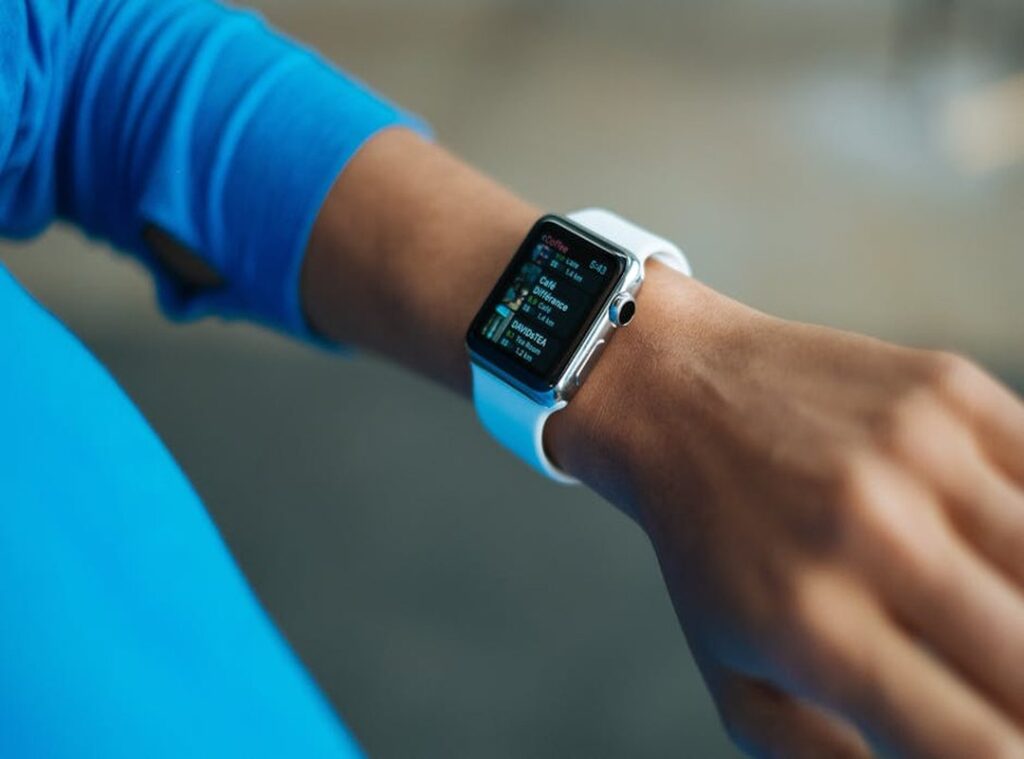
You’re mid-squat. Your watch buzzes. You glance down.
Heart rate, calories, time. Then you check your glucose monitor while pouring coffee.
This isn’t sci-fi. It’s Tuesday.
But here’s what pisses me off: half the stuff sold as wearable tech is just polished smoke.
I’ve tested over 50 devices. Three years. Medical-grade ones.
FDA-cleared ones. Cheap knockoffs. Ones that died in week two.
I know which ones actually track blood oxygen without guessing. Which ones catch arrhythmias early. Which ones lie about sleep stages.
You don’t need another list of “top 10 wearables.” You need to know what works today, not in a press release.
What’s worth your money. What’s still fantasy. What’s dangerous to trust.
No speculation. Just real-world performance (measured,) repeated, verified.
Some wearables log steps. Others change how doctors treat patients.
Most articles won’t tell you which is which.
This one will.
You’ll walk away knowing exactly what Wearables Feedworldtech delivers (and) what it absolutely doesn’t.
Wearables Aren’t Fitness Trackers Anymore (They’re) Health
I stopped calling them “fitness trackers” in 2022. They don’t just count steps. They watch your heart like a clinician.
Apple Watch Series 9 does wrist temperature tracking (and) researchers are using that data to predict menstrual cycles with surprising accuracy. That’s not wellness fluff. That’s physiology, measured continuously, in real life.
Withings ScanWatch Light ties SpO2 and HRV together (then) spits out a recovery readiness score. Not a guess. A correlation backed by clinical observation.
ECG? Old news. Now it’s continuous ECG with arrhythmia detection that flags AFib before symptoms hit.
FDA-cleared blood pressure estimation via PPG? Yes. No cuff needed.
Multi-day battery life without dropping sensor fidelity? Finally happening.
And on-device AI for fall detection? No cloud. No delay.
No permission slip. Your watch decides (and) acts. While you’re still falling.
Sensor fusion is the real upgrade. Accelerometer + PPG + gyroscope + skin temp = context. One metric lies.
Four metrics argue with each other (and) tell the truth.
Calling this “Wearables Feedworldtech” misses the point. It’s not about feeds. It’s about function. Feedworldtech covers the specs.
Battery life means nothing if sensors sleep. Accuracy means nothing if it’s not actionable. I check my HRV before I decide whether to train.
But skip the hype. Read the FDA clearance docs instead.
Not after.
You do too.
Admit it.
The Hidden Trade-Offs You’re Not Being Told
I bought a wearable because I wanted real data. Not vibes. Not scores.
Actual physiology.
Turns out. Most wearables lie slowly during weightlifting. Your heart rate spikes, the sensor slips, and accuracy drops by 20 (30%.) That’s not speculation.
It’s in the Journal of Medical Internet Research (2023).
Then there’s the privacy trap. Your device streams biometrics 24/7 to servers you didn’t approve. And no, “anonymized” doesn’t mean safe.
Especially when algorithms re-identify people from pulse patterns.
Stress scores? Sleep stages? They’re often built on data from 18 (35-year-old) white men.
So if you’re over 50 or Black or postmenopausal. Good luck trusting that Wearables Feedworldtech output.
I’ve seen someone rush to the ER for a false AFib alert. The wearable flagged it. The EKG showed nothing.
Cost: $1,200 and three hours of panic.
Another friend got told she had “deep sleep deficiency.”
Her ring only tracked movement. Not brainwaves. So it guessed.
And guessed wrong.
Two devices stand out in validation studies:
One nails resting HR but fails during stairs.
The other handles motion well but misreads REM as light sleep. Consistently.
Don’t trust any wellness score without published math. If there’s no methodology page (walk) away. If no third party audited it (assume) it’s broken.
You’re not getting medical-grade data. You’re getting marketing-grade estimates. And nobody tells you that upfront.
What Actually Works for Health Goals. Not Hype

I tried the Oura Ring for HRV tracking. It worked (if) I wore it ≥22 hours/day. Less than that, and the trends went sideways.
No warning. Just noise.
I wrote more about this in Tech News Feedworldtech.
Omron HeartGuide? Yes, it measures BP on the wrist. But only if you calibrate it manually every 7 days.
Skip that, and your numbers drift. I did. Felt fine.
Blood pressure wasn’t fine.
Biofourmis Biovitals helps post-surgical recovery. It’s FDA-cleared. That matters.
Most wearables aren’t. Don’t assume “clinical trial” means “approved.”
ADHD coaching via MotivAider-integrated wearables? Real data exists. But only in tightly controlled trials.
Not your average app store download. (And no, dopamine timers don’t count.)
Here’s what doesn’t work yet: early dementia detection. Real-time insulin prediction. Non-invasive lactate monitoring.
Anyone telling you otherwise is selling hope (not) hardware.
You need raw PPG export for hypertension research. You need FDA clearance for arrhythmia detection. Those aren’t nice-to-haves.
They’re requirements.
Tech News Feedworldtech covers some of this (but) not all of it. Most coverage skips the boring thresholds (like wear time or calibration) and goes straight to the shiny demo video.
Wearables Feedworldtech is a term people toss around like it means something. It doesn’t. Not yet.
I’m not sure any wearable can reliably catch early dementia. Not with today’s sensors.
Don’t trust the marketing. Check the clearance. Count the hours.
Read the manual.
Or don’t. Then wonder why your data looks weird.
Choosing Your First (or Next) Wearable: A No-Fluff Filter
I used to buy wearables like snacks. Just because they looked cool.
Then I realized most sat in a drawer after two weeks.
So I built a 4-question filter. You answer these before you click “buy”.
What specific health or behavior outcome do you want to influence? Sleep? Blood sugar trends?
Recovery after surgery?
Do you need clinical-grade data. Or is spotting a trend good enough? FDA clearance matters only if your doctor will act on it.
Can you actually wear it every day? And calibrate it when needed? (Spoiler: If you hate charging, skip anything with a 3-day battery.)
Does your healthcare provider accept or integrate this device’s output? If not, that data is just noise.
“Best” means nothing here. A $300 watch is worse than a $50 ring if you won’t wear it (or) if your clinic can’t read its files.
Red flags: no API, no update policy beyond two years, no accuracy white paper published.
Check the Wearables Feedworldtech roundup for real-world comparisons (not) lab specs.
You’ll find better context on World News Feedworldtech. Especially how devices actually perform outside marketing slides.
Stop Buying Gadgets That Lie to You
I’ve seen too many people wear devices that track everything except what matters.
You paid money. You spent time charging it. You checked the app daily.
And still. No real change in your energy, sleep, or habits.
That’s not your fault. It’s bad design masked as innovation.
Before you buy another one (use) the system from section 4. Not after. Not “maybe later.” Before you click add to cart.
Ask yourself: What’s the one thing I want to know about my body this week? Not “get healthier.” Not “be more active.” Something measurable. Like “wake up rested three mornings.”
Then test that goal against the system. If it doesn’t pass. Walk away.
Wearables Feedworldtech works only when it answers your question (not) the manufacturer’s marketing.
Your body generates data every second. Make sure your wearable helps you understand it, not just count it.

 Ask Keishaner Laskowski how they got into smart app ecosystems and you'll probably get a longer answer than you expected. The short version: Keishaner started doing it, got genuinely hooked, and at some point realized they had accumulated enough hard-won knowledge that it would be a waste not to share it. So they started writing.
What makes Keishaner worth reading is that they skips the obvious stuff. Nobody needs another surface-level take on Smart App Ecosystems, Expert Breakdowns, App Optimization Techniques. What readers actually want is the nuance — the part that only becomes clear after you've made a few mistakes and figured out why. That's the territory Keishaner operates in. The writing is direct, occasionally blunt, and always built around what's actually true rather than what sounds good in an article. They has little patience for filler, which means they's pieces tend to be denser with real information than the average post on the same subject.
Keishaner doesn't write to impress anyone. They writes because they has things to say that they genuinely thinks people should hear. That motivation — basic as it sounds — produces something noticeably different from content written for clicks or word count. Readers pick up on it. The comments on Keishaner's work tend to reflect that.
Ask Keishaner Laskowski how they got into smart app ecosystems and you'll probably get a longer answer than you expected. The short version: Keishaner started doing it, got genuinely hooked, and at some point realized they had accumulated enough hard-won knowledge that it would be a waste not to share it. So they started writing.
What makes Keishaner worth reading is that they skips the obvious stuff. Nobody needs another surface-level take on Smart App Ecosystems, Expert Breakdowns, App Optimization Techniques. What readers actually want is the nuance — the part that only becomes clear after you've made a few mistakes and figured out why. That's the territory Keishaner operates in. The writing is direct, occasionally blunt, and always built around what's actually true rather than what sounds good in an article. They has little patience for filler, which means they's pieces tend to be denser with real information than the average post on the same subject.
Keishaner doesn't write to impress anyone. They writes because they has things to say that they genuinely thinks people should hear. That motivation — basic as it sounds — produces something noticeably different from content written for clicks or word count. Readers pick up on it. The comments on Keishaner's work tend to reflect that.