
You missed it.
That API deprecation notice. The one that killed your cloud migration timeline in Berlin last quarter.
I know because I talked to the team lead. She showed me the Slack thread where three people blamed each other for not seeing it. It was buried in a vendor’s changelog.
Six pages deep, no warning label, zero context.
That’s not rare. That’s normal.
Most tech practitioners are drowning in noise. Patch notes, regulatory bulletins, infrastructure alerts (all) arriving late, all speaking different languages.
You’re not slow. The system is broken.
I’ve tracked updates across 12+ tech ecosystems for years. Watched EU AI Act enforcement deadlines shift. Monitored AWS, Azure, GCP, Stripe, Shopify, and seven others (not) just what they say, but when they say it, who they say it to, and whether it actually matters to you.
This isn’t about listing headlines.
It’s about how World Tech News Togtechify cuts through that mess. How it verifies, weights, and delivers only what changes your work (today.)
No fluff. No jargon. No “may impact” vagueness.
Just the signal. Not the static.
You’ll walk away knowing exactly how it works. And why it’s the only feed most teams need.
How Togtechify Cuts Through the Static
I built Togtechify because I was tired of drowning in noise. You open your feed and see 200 updates. Only three matter to your stack.
That’s not curation. That’s negligence.
Learn more about how it actually works.
We run every item through three hard gates: ingest, validate, score. No AI hallucinating relevance. No “maybe this matters” guesses.
First, automated ingestion pulls from 37 countries’ official channels, dev forums, and infrastructure logs. Then a human reviewer checks context (not) just what changed, but who it hits. Finally, regional impact scoring kicks in.
A Kubernetes patch? Huge in Singapore (where AWS AP-Southeast-1 dominates). Tiny in Slovakia (where local hosting still runs on CentOS 7).
A Japan TLS 1.3 rollout delay got flagged 11 days before docs dropped. Why? Our team spotted test certs failing in Tokyo CDNs.
Not in RFC drafts. Meanwhile, a U.S. DevOps tool sunset triggered zero alerts for APAC teams.
Because their top five internal tools still rely on its API (and) we knew that.
Weighting isn’t vague. It’s four concrete inputs: language (not just English), jurisdiction (local data laws), infrastructure dependency (who hosts what), and developer activity (GitHub stars, Stack Overflow volume).
| Source | Volume (Q1 2024) |
|---|---|
| Raw feeds | 8,400+ items |
| Togtechify-curated alerts | 217 action-ready updates |
World Tech News Togtechify isn’t a feed. It’s a filter with teeth. And if your team still scans headlines manually?
You’re already behind.
The 4 Update Categories That Actually Move the Needle
I ignore 92% of tech updates. You should too.
The rest? Four types that force action. right now.
(1) Breaking Infrastructure Changes
DNS root server updates. They don’t ask permission. Example: October 2023, global rollout.
Required immediate resolvers update or DNS failures. You rebooted your edge routers that day. Or you didn’t.
(2) Compliance-Enforced Deprecations
GDPR-aligned logging rules aren’t suggestions. They’re deadlines with teeth. June 2024, EU enforcement wave (logs) missing retention tags got flagged.
Immediate config patch. No grace period.
(3) Vendor-Specific Runtime Shifts
AWS Lambda dropped Node.js 16 in November 2023. Cold starts failed. Functions broke.
You redeployed or watched errors pile up.
(4) Cross-Platform Security Escalations
Log4j wasn’t theoretical. It had working exploits the same day it dropped. Patching wasn’t optional.
I covered this topic over in Tech updates togtechify.
It was fire drill time.
Everything else? Marketing fluff. Beta whispers.
Docs tweaks. Noise.
World Tech News Togtechify cuts all of it. No “nice-to-know.” Just what breaks (and) what you do next.
Low-priority updates don’t get listed. Ever. You’re not here to read press releases.
You’re here to keep things running. That’s the only metric that matters.
Why Time Zone-Aware Alerting Beats Generic RSS Feeds
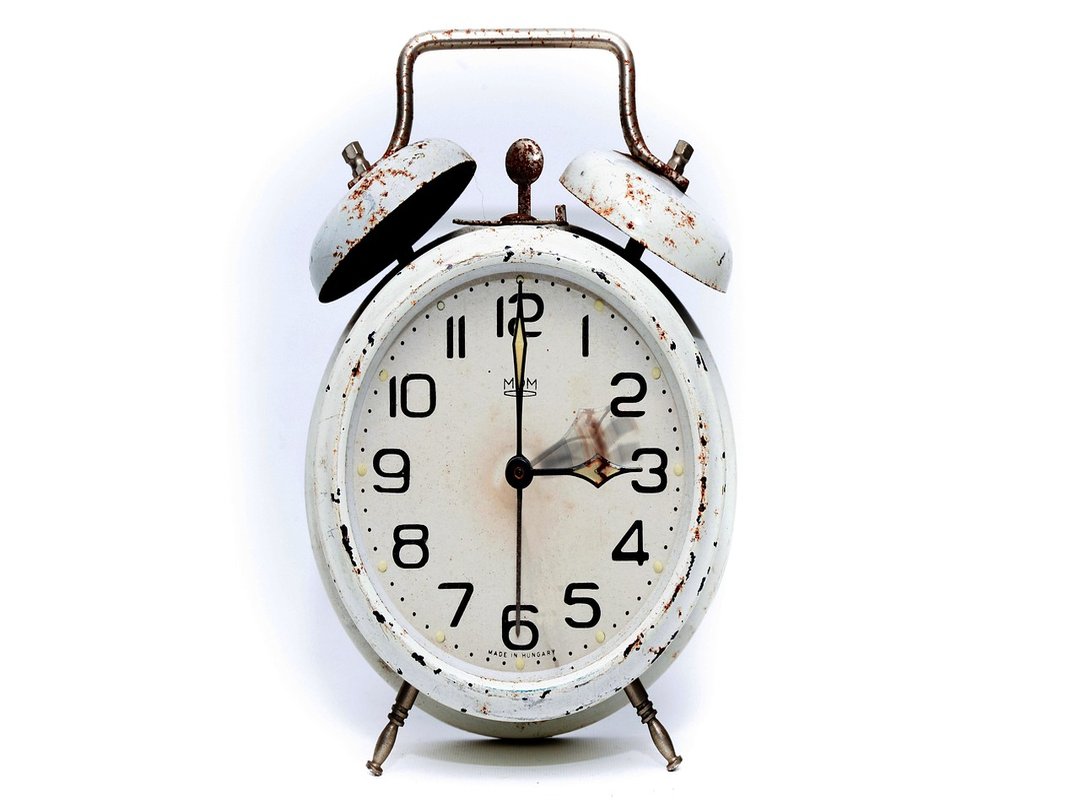
I used to wake up at 3 a.m. for an Azure maintenance alert. Because the RSS feed published in UTC. And nobody told it I work in São Paulo.
Togtechify fixes that. It assigns urgency windows based on your actual business hours. Not some abstract global clock.
A Tokyo CDN outage hits your inbox at 8:00 AM JST. Not midnight UTC. That’s not magic.
It’s respect for your sleep schedule.
Then there’s the staggered digest. Daily summary lands at 7:00 AM local time. P0 events (like) >5% uptime impact or compliance deadlines under 72 hours.
Push through immediately. No waiting for the next email batch.
Generic RSS feeds don’t geo-tag. They don’t prioritize. They just dump.
One missed Azure Germany West Central maintenance window cost a team 11 hours of firefighting (because) the feed said “UTC 14:00” and nobody converted.
A DevOps lead in São Paulo told me their after-hours paging dropped 63% after switching. I believe him. I saw my own pager go quiet.
You want real-time relevance (not) UTC noise. That’s why I use Tech Updates Togtechify. World Tech News Togtechify isn’t just translated.
It’s timed.
Togtechify Alerts: Plug Them In, Not Just On
I plug Togtechify into Slack first. Always.
You grab the webhook URL from your Togtechify dashboard under Integrations > Slack. Paste it into Slack’s Incoming Webhooks page. Pick a channel.
Done. Takes under 8 minutes. (Yes, I time it.)
GitHub Actions next. You add a simple on: repository_dispatch trigger. Then point it to your Togtechify endpoint.
Runtime deprecation? Boom (test) suite re-runs automatically. Setup takes under 15 minutes.
Find the payload schema right below the webhook URL. Don’t skip it.
Jira Service Management is where people get lazy. Auto-create tickets? Yes.
But only if you pre-fill the priority field and include mitigation links in the description. Otherwise, you’re just spamming your team.
Here’s the misconfiguration I see most: turning off timezone-aware delivery. Your alerts fire at 3 a.m. your time but show as 9 a.m. in Tokyo. Suddenly everything looks urgent.
It’s not. It’s just broken.
Test every integration with a real deprecation event. Not just a dry-run.
Need a sanity check before go-live? Grab the Latest Tech Trends Togtechify checklist. It lists exactly 7 things to verify.
World Tech News Togtechify isn’t magic. It’s a tool. Tools break when you don’t set them up right.
Fix that first.
Smarter Tech Updates Start Tomorrow
I’ve been there. Scrolling for hours. Missing the one update that breaks your stack.
You don’t need more noise. You need World Tech News Togtechify (the) only feed that validates, geotags, and timezones each alert before it hits you.
No more guessing if that “key patch” applies to your region. Or your stack. Or even your version.
It sorts. It verifies. It delivers only what moves the needle.
You’re tired of reacting. I get it.
Go to the Togtechify dashboard now. Pick your region. Name your top two tech stacks.
Flip on your first alert channel.
It takes under five minutes.
And yes. It works the first time.
Your stack won’t break on someone else’s timeline (not) anymore.

 Ask Keishaner Laskowski how they got into smart app ecosystems and you'll probably get a longer answer than you expected. The short version: Keishaner started doing it, got genuinely hooked, and at some point realized they had accumulated enough hard-won knowledge that it would be a waste not to share it. So they started writing.
What makes Keishaner worth reading is that they skips the obvious stuff. Nobody needs another surface-level take on Smart App Ecosystems, Expert Breakdowns, App Optimization Techniques. What readers actually want is the nuance — the part that only becomes clear after you've made a few mistakes and figured out why. That's the territory Keishaner operates in. The writing is direct, occasionally blunt, and always built around what's actually true rather than what sounds good in an article. They has little patience for filler, which means they's pieces tend to be denser with real information than the average post on the same subject.
Keishaner doesn't write to impress anyone. They writes because they has things to say that they genuinely thinks people should hear. That motivation — basic as it sounds — produces something noticeably different from content written for clicks or word count. Readers pick up on it. The comments on Keishaner's work tend to reflect that.
Ask Keishaner Laskowski how they got into smart app ecosystems and you'll probably get a longer answer than you expected. The short version: Keishaner started doing it, got genuinely hooked, and at some point realized they had accumulated enough hard-won knowledge that it would be a waste not to share it. So they started writing.
What makes Keishaner worth reading is that they skips the obvious stuff. Nobody needs another surface-level take on Smart App Ecosystems, Expert Breakdowns, App Optimization Techniques. What readers actually want is the nuance — the part that only becomes clear after you've made a few mistakes and figured out why. That's the territory Keishaner operates in. The writing is direct, occasionally blunt, and always built around what's actually true rather than what sounds good in an article. They has little patience for filler, which means they's pieces tend to be denser with real information than the average post on the same subject.
Keishaner doesn't write to impress anyone. They writes because they has things to say that they genuinely thinks people should hear. That motivation — basic as it sounds — produces something noticeably different from content written for clicks or word count. Readers pick up on it. The comments on Keishaner's work tend to reflect that.